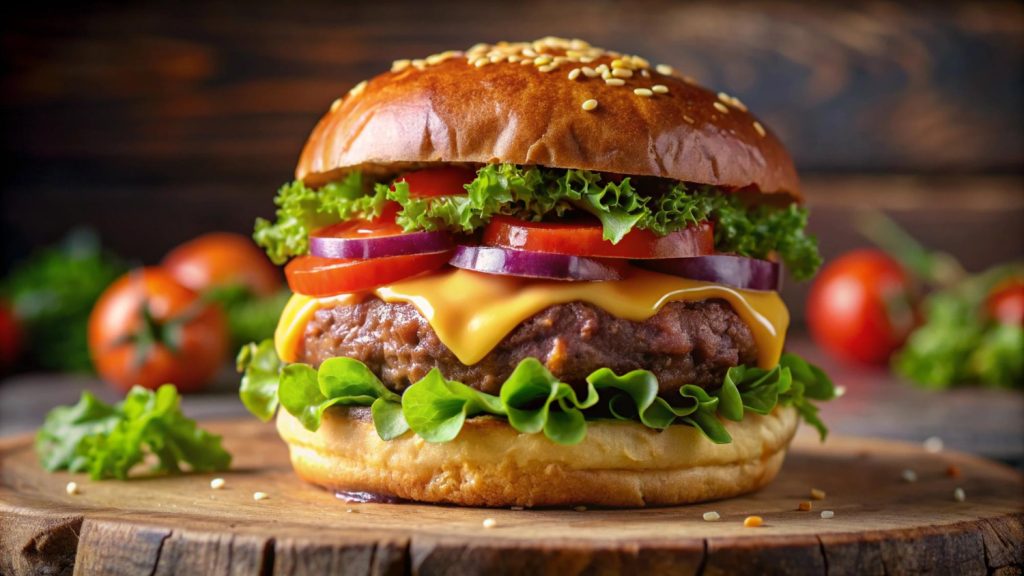
A better burger is built long before it reaches the plate: the blend of the meat shapes its juiciness, heat determines whether the outside develops a savoury crust, and the bun must hold everything together without stealing the show. Small choices matter because each one affects flavour, texture and how easy the burger is to cook evenly.
There is no single formula for every grill or appetite, but a few dependable principles make the process far more predictable. Understanding fat, managing the cooking surface and matching the bun to the patty can turn a simple ground beef sandwich into a balanced burger, whether it is cooked in a kitchen or outdoors.
The goal is not complexity for its own sake; it is control. With a suitable Patty blend, a properly heated cooking surface and toppings chosen with restraint, each layer has a purpose—and the finished burger tastes better for it.
Choose a Patty blend for flavour and texture
The right Patty blend starts with the meat’s balance of lean beef and fat. Ground beef labelled around 80 percent lean and 20 percent fat is a practical choice for a juicy burger: the fat contributes flavour and helps the patty stay moist as it cooks, while very lean meat can become dry more quickly.
Fat content is only part of the equation. A coarser grind tends to give a more distinct, tender bite, while tightly packed or heavily worked meat can turn dense. Shape patties gently, make them slightly wider than the buns to allow for shrinkage, and press a shallow dimple into the centre to help them cook evenly.
Beef also has a larger footprint than many plant-based foods, so choosing it thoughtfully can be part of a broader approach to eating. This overview of foods with a higher environmental impact offers useful context for considering how often beef appears on the menu.
Balance fat content without overworking the meat
For a classic grilled or skillet burger, a moderate amount of fat provides a forgiving margin against drying. Avoid kneading in seasonings or compressing the meat into a firm ball; instead, season the outside shortly before cooking so the patty keeps its loose structure.
Shape patties for even cooking
Consistent thickness matters more than perfect circular edges. Patties of similar size finish at roughly the same time, which makes it easier to manage doneness across a batch without leaving some burgers on the heat too long.
Control sear temperature for a savoury burger crust
Sear temperature determines how quickly the surface browns and whether a burger develops a deeply flavoured Burger crust. A Cast-iron skillet, preheated until thoroughly hot, offers steady contact and strong browning; on a grill, Grill heat should be high enough to sear but manageable enough to prevent flare-ups from dripping fat.
Let the cooking surface heat before adding the patties, then resist pressing them down. Pressing forces out juices without improving the sear. Turn the burgers when they release readily from the surface, and use a thermometer rather than colour alone to judge doneness: ground beef should reach 160°F (71°C) for food safety.
Use a cast-iron skillet for direct contact
A heavy skillet retains heat well and creates an even crust across the patty’s underside. Cook in batches if needed; crowding the pan lowers its temperature and can cause the meat to steam instead of brown.
Adjust grill heat to prevent flare-ups
On a grill, move patties away from sudden flames rather than letting them scorch. Keep the lid available for controlled cooking, and check the centre temperature before serving, especially when patties vary in thickness.
For outdoor cooking, it also helps to plan for the equipment available rather than relying on a single method. These tips for managing without electricity provide broader preparation ideas that can be useful when cooking away from a conventional kitchen.
Match bun choice to the patty and toppings
Bun choice affects both structure and flavour. A soft roll makes each bite easy, but it must be sturdy enough to absorb juices without collapsing. Toasting the cut sides adds a little crispness and helps create a barrier against moisture from sauces and toppings.
A Brioche bun brings a tender crumb and mild sweetness, which pairs well with smoky or savoury beef. Because it is soft and rich, it can be overwhelmed by heavy sauces or an overloaded stack; a sesame or potato roll may be a better fit when the burger has substantial toppings.
Choose a bun that supports the burger
Think about the whole stack, not the bread in isolation. A thicker patty and several moist toppings call for a more resilient roll, while a thinner patty can sit comfortably in a lighter bun. The best choice holds together through the final bite.
Layer burger toppings with restraint
Burger toppings should contribute contrast rather than compete for attention. Crisp lettuce, pickles or onion can balance a rich patty, while cheese and sauce add savouriness and moisture; too many wet or bulky layers make the burger difficult to eat.
Before assembling, consider a simple order that keeps the burger stable and balanced:
- Toast the bun’s cut sides to add texture and limit sogginess.
- Place the patty on the bottom half so its warmth softens the cheese.
- Add crisp or acidic toppings to offset the meat’s richness.
- Use sauce sparingly, then close the burger with the top bun.
| Choice | What it contributes | Best use |
|---|---|---|
| 80/20 ground beef | Juiciness and full beef flavour | Classic skillet or grilled burgers |
| Cast-iron skillet | Steady heat and strong surface browning | Indoor cooking with direct contact |
| Brioche bun | Soft texture and a lightly sweet taste | Moderate toppings and savoury patties |
| Pickles or crisp lettuce | Freshness and contrast | Balancing rich meat and cheese |
A dependable burger comes from harmony: a well-balanced Patty blend, controlled heat and a bun suited to the toppings. For advice tailored to a particular grill, equipment or food-safety concern, consult a qualified culinary professional.