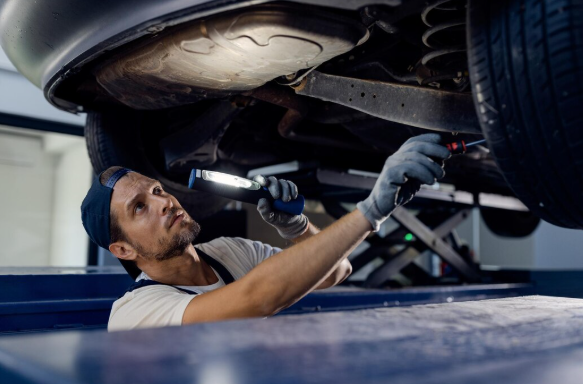
Ensuring a vehicle operates smoothly often hinges on the functionality of its suspension system. This vital component affects ride quality, handling, and overall safety. Despite careful *vehicle maintenance*, many car owners overlook the signs of suspension problems until they escalate into significant safety hazards. In 2026, as technology evolves, understanding how to diagnose these issues remains crucial. Various factors, such as wear and tear, environmental conditions, and driving habits, can culminate in common suspension problems. Whether it’s experiencing a bumpy ride or noticing uneven tire wear, recognizing these symptoms early can save drivers from costly suspension repair down the line.
Understanding Common Car Suspension Problems
The suspension system in a vehicle is composed of various components, each playing a pivotal role in ensuring a smooth and safe ride. Among these components are shock absorbers, struts, springs, and linkages, which collectively work to absorb bumps and maintain tire contact with the road. Neglecting any of these components could lead to serious driving issues. In this section, we delve into some of the most common suspension problems to help vehicle owners recognize and understand the implications of these issues.
- Worn-out Shock Absorbers: When shock absorbers begin to fail, they lose their ability to damp oscillations effectively, resulting in a bumpy ride.
- Misalignment: A misaligned suspension system can lead to uneven tire wear and affect steering precision.
- Bottoming Out: Vehicles that frequently bottom out can experience excessive wear on suspension components, ultimately leading to more severe issues.
- Excessive Bumpsteer: This occurs when low suspension travel alters the vehicle’s alignment and steering dynamics during cornering.
- Loose or Slipping Bolts: Fasteners that are improperly tightened can lead to instability in suspension performance.
Each of these issues brings unique challenges to vehicle handling and safety. For example, worn-out shock absorbers not only contribute to a less pleasant driving experience but also compromise braking distances and crash safety. Therefore, being proactive about identifying and addressing these common suspension problems can significantly enhance a vehicle’s performance.
Diagnosing Suspension Issues: Key Signs to Look For
Recognizing the signs of suspension problems is the first step toward effective vehicle maintenance. Many drivers may notice changes in their vehicle’s handling or comfort level, which can serve as early indicators of underlying issues. Critical signs to monitor include:
- Bumpy Ride: A clear indication that something is amiss with the suspension system is inconsistent ride quality. If a vehicle feels excessively bouncy or struggles to absorb bumps, the shock absorbers may be failing.
- Uneven Tire Wear: Inspecting tires for wear patterns can also reveal issues. If tires show excessive wear on one side, this often points to alignment problems due to suspension component failure.
- Clunking Noises: Hearing noise while driving over bumps can indicate loose or worn-out components within the suspension system.
- Increased Stopping Distance: Changes in how the vehicle handles during braking can signal that suspension components, like struts or shocks, are functioning poorly.
- Pulling to One Side: If the car veers left or right while driving on a straight road, it’s often due to a misaligned suspension influenced by worn-out parts.
Monitoring these signs regularly is essential for effective vehicle care. For instance, if drivers notice a bumpy ride or increased stopping distances, they should investigate whether the shock absorbers require attention. Staying attuned to the vehicle’s behavior can preempt more severe issues, thereby enhancing safety on the road.
Effective Repairs for Suspension Problems
Once problems have been identified, addressing them promptly can prevent further damage and enhance overall vehicle safety. Common repairs often involve replacing worn-out components and ensuring correct alignment. Here are standard procedures for repairing suspension issues:
| Problem | Recommended Fix |
|---|---|
| Worn Shock Absorbers | Replace with new, quality shock absorbers that suit the vehicle’s specifications. |
| Misalignment | Perform a wheel alignment using appropriate equipment to correct angles. Regular checks are advised. |
| Bottoming Out | Adjust ride height and replace bumper stops if necessary to ensure proper clearance. |
| Excessive Bumpsteer | Reassess suspension geometry and consider stiffer springs to control movements. |
| Loose Bolts | Tighten all suspension fasteners and consider using locking compounds to prevent future slippage. |
Implementing these repairs can significantly enhance performance and safety on the road. For example, regularly checking for misalignment can prevent issues related to uneven tire wear. In addition, some repairs may require specialized expertise. In such cases, consulting with professionals can ensure that repairs meet safety standards.
Resolving suspension problems is an essential aspect of vehicle ownership that should not be overlooked. By actively diagnosing issues and implementing effective maintenance strategies, car owners can ensure their vehicles provide a safe and comfortable ride. The wealth of knowledge available today makes it easier than ever to grasp how to tackle suspension problems head-on. In 2026, the importance of maintaining a well-functioning suspension system cannot be overstated, particularly for those seeking an optimal driving experience. Engaging with professionals when necessary can enhance understanding and ensure that each aspect of the suspension system functions as it should. Remember, your car’s suspension plays a fundamental role in not just performance, but safety on the road. For references and further reading, consider checking this guide on wheel alignment checks.