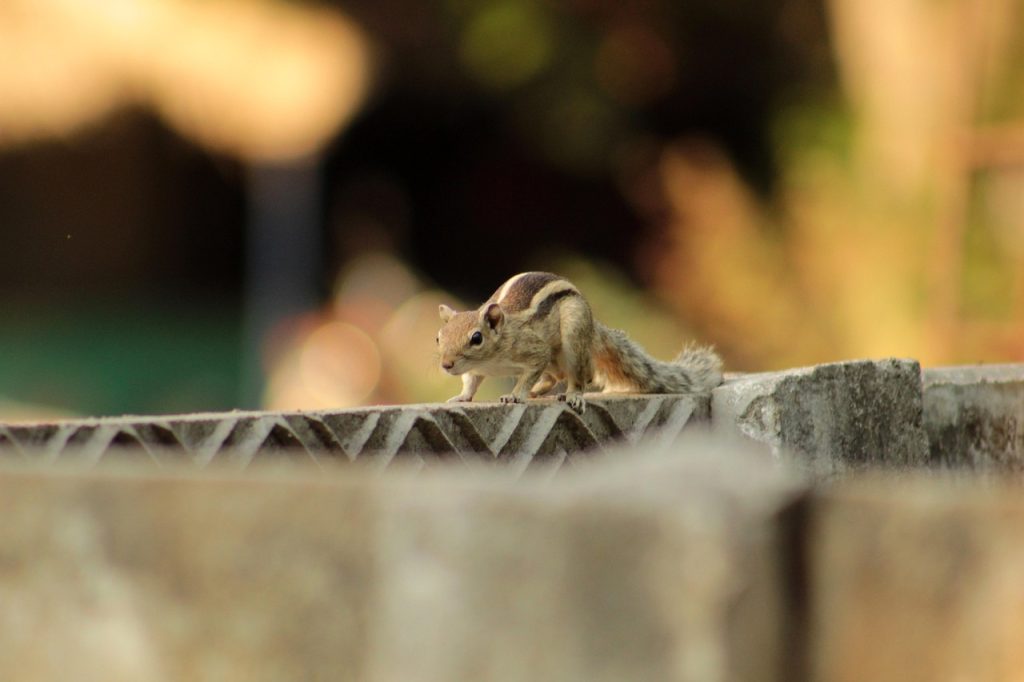
Choosing the right squirrel exclusion mesh is not simply a matter of covering a hole: wire thickness, opening size and attachment method all determine whether a barrier will last. Grey squirrels can gnaw through thin screening, chicken wire and soft fillers, while poorly fitted seals may leave just enough space for an animal to push its way back inside.
Squirrel exclusion mesh gauges and opening sizes
For many building repairs, galvanized wire mesh or stainless steel hardware cloth provides a durable barrier against gnawing. A useful starting specification is wire at least 19 gauge, with openings no larger than 19 millimetres; smaller apertures, such as 6 millimetres (¼ inch), provide an extra margin where young squirrels or other small animals could squeeze through.
Gauge numbers can be confusing because a lower number generally indicates thicker wire, and conventions may vary between products. Check the actual wire diameter and the manufacturer’s specification rather than relying on the gauge label alone. For exposed locations or a particularly robust barrier, stainless steel mesh resists corrosion well; galvanized steel is also suitable when its protective coating and installation are appropriate for the conditions.
Hardware cloth gauge and material choices
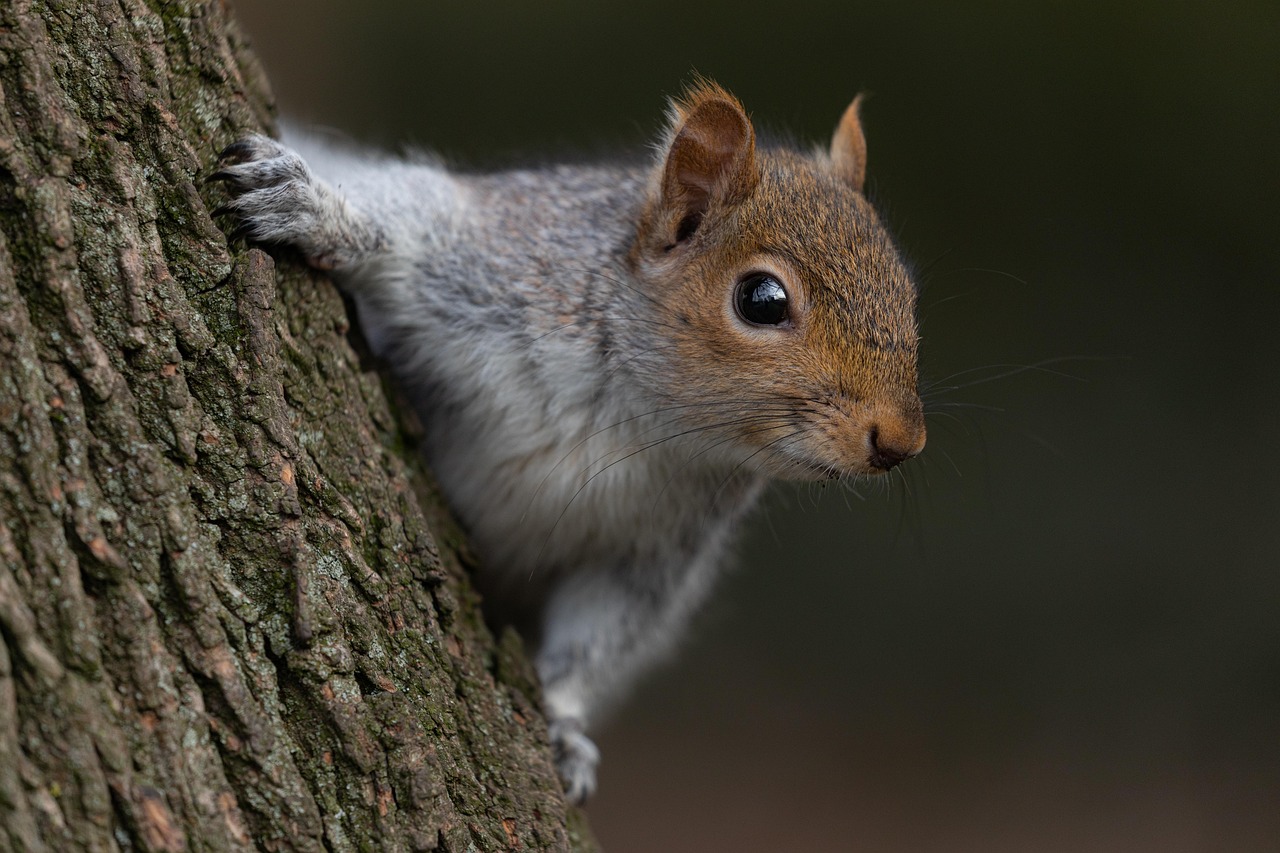
Compare mesh products by both wire strength and aperture. Chicken wire, lightweight garden mesh, plastic netting and ordinary window screening have larger openings or thinner strands, making them poor choices for permanent squirrel exclusion. A simple practical check is whether the wire bends easily under hand pressure; if it does, it may not be suitable for a persistent chewing risk.
Squirrel entry point seals for roofs and vents
Entry-point sealing begins with inspection, not a tube of filler. Check roof edges, soffits, ridge areas, utility penetrations, chimney openings and damaged vent covers; gaps wider than about 25 millimetres should be treated as potential access points. Squirrels may also exploit loose boards or a small separation between roofing and masonry, so examine the edges around each opening rather than only its centre.
Dryer vents need special care: added screening can collect lint, so a suitable animal-resistant vent hood is often preferable to a mesh insert that restricts airflow.
| Location | Suitable exclusion measure | Installation check |
|---|---|---|
| Soffit or roof vent | Metal guard or securely fitted hardware cloth | Keep airflow clear and cover the complete opening |
| Chimney or unused flue | Correctly sized stainless steel chimney cap mesh | Secure with metal clips or brackets; inspect after storms |
| Small wall or service gap | Metal mesh or flashing, with sealant as a secondary finish | Close the perimeter and avoid relying on foam alone |
| Ground-level barrier | Hardware cloth with a buried section and outward apron | Prevent digging beneath the edge |
Squirrel removal devices and safe proofing sequence
One-way exit devices can let squirrels leave an active opening while preventing immediate re-entry. They are a temporary part of a clearance plan, not a permanent seal: the opening must be closed with suitable materials once the building has been confirmed clear. A device must fit tightly and be made of material strong enough to withstand chewing.
In the UK, grey squirrel control is subject to legal restrictions, including rules under Schedule 9 of the Wildlife and Countryside Act 1981 concerning release into the wild. Animal welfare duties also apply. Because the correct handling and disposal arrangements depend on the circumstances and current law, exclusion devices should be used with professional advice rather than as a do-it-yourself relocation method.
A reliable sequence reduces the risk of trapping animals inside or creating fresh damage as they try to escape. Before permanent work begins, confirm that the loft or cavity is clear and that dependent young are not present; a pest professional can assess signs of activity and advise on appropriate timing.
- Inspect the building: examine the loft and exterior roofline to locate active and potential entry points.
- Plan the clearance: use any temporary exit device only as part of a lawful, humane control plan.
- Confirm the space is clear: do not seal an opening while squirrels may remain inside.
- Fit permanent barriers: cover every identified route with suitable mesh, flashing or purpose-made guards.
- Review the work: check fixings, mesh edges and protected vents for gaps or damage.
Effective wildlife exclusion materials work as a coordinated system: strong mesh, secure fixings, properly fitted vent guards and sealed entry points, with access routes managed around the property. For tailored advice or specialist installation, consult a qualified pest-control professional familiar with local requirements and building ventilation.