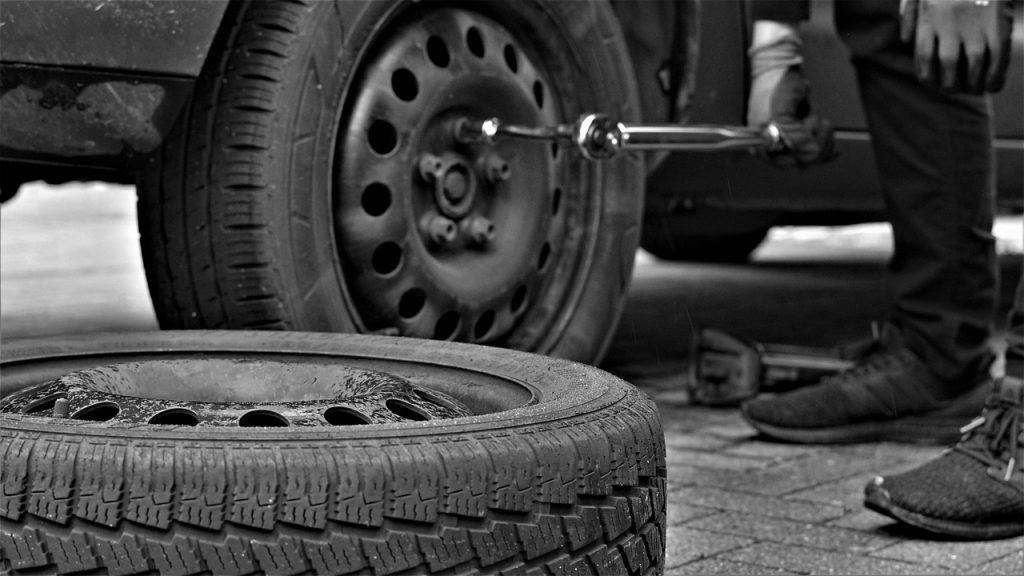
The performance and safety of your vehicle hinge on various maintenance tasks, with wheel alignment standing out as a crucial aspect often overlooked by drivers. Misalignment can lead to an array of problems, exacerbating wear on tires and compromising safety on the road. Understanding the signs that indicate a professional wheel alignment check is necessary can save you from costly repairs down the line and help maintain the longevity of your vehicle.
Understanding Wheel Alignment: What Does It Entail?
A proper wheel alignment ensures that your vehicle’s wheels are positioned correctly concerning the road and one another. This adjustment involves three primary angles: camber, toe, and caster. Each of these angles affects how your vehicle handles and how the tires wear over time, making it essential to keep them within manufacturer specs.
Camber: Tilt Angle of the Wheels
Camber refers to the inward or outward tilt of the tires when viewed from the front of the vehicle. Wheels should ideally have a slight negative camber, providing a better contact patch during cornering, but if it tilts too much inward (negative camber) or outward (positive camber), tire wear increases, leading to uneven tread wear.
Toe: Direction of the Wheels
Toe alignment is about the direction the tires point compared to the vehicle’s centerline. If the front of the tires points toward each other, it’s called toe-in, whereas, if they point away, it’s toe-out. Incorrect toe settings can lead to rapid tire wear and can affect steering response.
Caster: Steering Axis Inclination
Caster is the angle of the steering axis when viewed from the side of the vehicle. A positive caster helps with directional stability, while a negative caster can lead to steering issues. Correct caster angles contribute to better control and handling.
Identifying the Signs: When to Seek Professional Help
While understanding the fundamentals of wheel alignment is essential, knowing when to seek professional help can potentially save you from dangerous situations. Here are the top warning signs that indicate you require a wheel alignment check:
1. Your Car Pulls to One Side
If you notice your vehicle drifting left or right when driving down a straight road, it’s often due to misaligned wheels. While a soft pull might seem minor, it can become more pronounced over time, causing additional strain on the suspension system, tires, and your ability to control the vehicle. Ignoring this issue can escalate to more severe handling problems and increased tire wear.
2. Off-Center Steering Wheel
Another clear indicator that your car needs a wheel alignment check is when the steering wheel is not centered when driving straight. This misalignment can lead to tension while driving, as you’d constantly fight to keep the vehicle on a straight course. Properly aligned vehicles should have the steering wheel positioned straight when driving on level roads.
3. Vibrations and Shaking of the Steering Wheel
If your steering wheel starts to shake or vibrate, especially at higher speeds, it’s a sign that your wheels may not be aligned correctly. This not only feels uncomfortable but can lead to broader issues with your vehicle’s suspension and steering systems if not addressed promptly.
4. Uneven or Excessive Tire Wear
Inspecting your tires regularly can reveal other significant alignment problems. Uneven tire wear, such as excessive wear on one side of the tire or abnormal tread patterns, often correlates with misalignment. Drivers may also notice that they need to replace tires more frequently than expected, which can be costly over time.
5. Loose or Hard Steering
Have you felt changes in your steering? If your steering feels too loose or, conversely, too hard to turn, it may be related to alignment issues. Loose steering indicates your vehicle may be unstable, while hard steering can result in difficulties when turning. Both necessitate immediate attention to restore safe driving conditions.
- If your car pulls to one side, it may indicate misalignment.
- Steering wheel should be centered; if it’s off, have it checked.
- Vibrations during driving signal potential alignment issues.
- Uneven tire wear often correlates with misalignment.
- Changes in steering feel can necessitate an alignment check.
Proper wheel alignment is essential for ensuring vehicle safety, extending tire lifespan, and maintaining smooth handling. Ignoring early warning signs like pulling to one side, steering wheel vibrations, or uneven tire wear can lead to costly repairs and compromised driving safety. Regularly checking and correcting your vehicle’s alignment not only enhances performance but also provides a safer, more comfortable driving experience.
For professional wheel alignment services that keep your car running smoothly and safely, Doug’s Auto Care offers expert solutions tailored to your vehicle’s needs.