
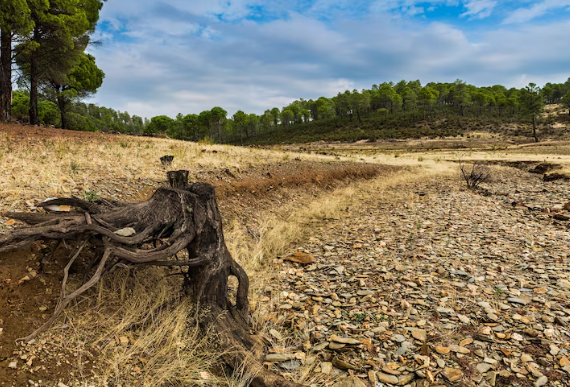
Forests are often described as the lungs of the Earth, but they are far more than vast collections of trees. They shelter an extraordinary variety of life, much of which remains unknown to science. Every year, researchers identify thousands of new plants, insects, fungi, amphibians, and other organisms hidden beneath dense canopies. Yet, as deforestation accelerates across the globe, many species may disappear before anyone has the chance to document their existence.
This silent biodiversity crisis raises an unsettling question: how many living creatures are being erased from the planet before they are even given a name?
Deforestation and Biodiversity Loss: An Invisible Crisis
Deforestation does more than remove trees. It dismantles entire ecosystems, disrupting food chains, altering local climates, and fragmenting habitats that countless species rely upon for survival.
Scientists estimate that only a fraction of Earth’s total biodiversity has been formally identified. Tropical forests, in particular, are considered biological treasure troves where countless organisms remain hidden in the soil, tree canopies, rivers, and caves.
When these habitats are cleared for agriculture, mining, or infrastructure, unknown species can vanish without leaving any trace. Unlike famous endangered animals, these organisms disappear in complete silence, making their extinction almost impossible to record.
Why So Many Species Remain Undiscovered
Several factors explain why large numbers of species remain unknown:
- Remote forest regions are difficult to access.
- Many organisms are extremely small or highly specialized.
- Some species only emerge during specific seasons.
- Scientific expeditions require significant funding and expertise.
- Habitat destruction often outpaces biological research.
In many cases, researchers arrive too late. By the time an expedition reaches a previously unexplored forest, parts of the ecosystem may already have been destroyed.
Hidden Species Most Vulnerable to Deforestation
While charismatic mammals often capture public attention, lesser-known organisms face equally severe threats.
| Group | Why They Are Vulnerable | Potential Consequences |
|---|---|---|
| Insects | Depend on highly specific habitats | Collapse of pollination networks |
| Amphibians | Sensitive to environmental changes | Declining freshwater ecosystems |
| Fungi | Often restricted to unique forest conditions | Loss of nutrient recycling |
| Plants | Limited geographic distribution | Disappearance of potential medicinal resources |
| Microorganisms | Poorly studied and easily overlooked | Reduced ecosystem resilience |
Many of these life forms perform essential ecological functions despite attracting little public attention.
Tropical Rainforests: The Greatest Reservoir of Unknown Life
Tropical rainforests contain some of the highest concentrations of biodiversity on Earth. A single hectare can host hundreds of tree species and thousands of insect species, many found nowhere else.
The forest canopy remains one of the least explored environments. Suspended dozens of meters above the ground, it supports intricate communities of insects, spiders, orchids, mosses, birds, and microorganisms. Scientists continue to discover previously unknown species in these elevated ecosystems every year.
Below ground, forest soils reveal another hidden universe. Tiny fungi, bacteria, nematodes, and microscopic invertebrates quietly sustain nutrient cycles that keep entire forests alive. Remove the forest, and these invisible communities disappear alongside it.
Why Unknown Species Matter More Than We Think
It may seem insignificant to lose organisms that have never been formally identified. In reality, each undiscovered species could hold remarkable ecological or scientific value.
Some may contain compounds useful for developing future medicines. Others may contribute to sustainable agriculture by naturally controlling pests or enriching soils. Certain microorganisms could even help scientists better understand climate regulation or carbon storage.
Nature often resembles an enormous puzzle. Remove enough seemingly insignificant pieces, and the whole picture begins to unravel.
The Challenges of Measuring Extinction
One of the greatest difficulties in conservation is that scientists cannot count what they have never observed.
Traditional extinction assessments rely on documented populations. However, unknown species leave behind no historical records, making their disappearance largely invisible.
Researchers increasingly combine satellite imagery, environmental DNA analysis, artificial intelligence, and biodiversity modeling to estimate how many unidentified organisms may inhabit threatened forests. Although these technologies improve predictions, they cannot fully replace field exploration.
As forests continue shrinking, the gap between discovery and destruction widens.
How Forest Conservation Protects Future Discoveries
Protecting forests safeguards far more than familiar wildlife. It preserves opportunities for future scientific discoveries that could benefit humanity for generations.
Effective conservation efforts include:
- Expanding protected forest areas.
- Supporting indigenous communities that sustainably manage forests.
- Restoring degraded landscapes.
- Reducing illegal logging.
- Funding biodiversity research and taxonomic studies.
- Promoting sustainable land-use practices.
Each preserved ecosystem becomes a living library whose countless pages remain waiting to be read.
Looking Beyond What We Already Know
The disappearance of undiscovered species represents one of the most overlooked consequences of deforestation. Every felled forest may erase unique organisms that evolved over millions of years yet never appeared in scientific literature.
Protecting biodiversity is not simply about saving well-known animals or preserving scenic landscapes. It is about recognizing that Earth’s greatest biological wealth often lies hidden beneath leaves, inside tree trunks, or within the forest floor, waiting to be discovered.
As the pace of habitat loss continues, the race between exploration and extinction grows increasingly urgent. The decisions made today will determine whether future generations inherit thriving ecosystems filled with remarkable new discoveries—or only unanswered questions about the life that vanished before anyone knew it existed.


