
Conservation is at a critical crossroads as species such as the white rhinoceros and Madagascar’s elusive fossa serve as poignant reminders of the delicate balance in ecosystems. With decades of dedicated research and conservation efforts, the lessons from these species’ struggles are increasingly relevant. As we approach 2026, the imperative to learn from past initiatives underscores the importance of adaptive strategies in safeguarding biodiversity. The stark realities faced by these animals illuminate not just their vulnerabilities, but also the opportunities for effective conservation methodologies that can be applied globally.
Understanding the Habitat Needs of Endangered Species
Whether in the vast savannas of Africa or the dense rainforests of Madagascar, every species has a unique ecological niche that must be preserved. The white rhinoceros, for instance, relies heavily on open grasslands where human encroachment poses a significant threat. In contrast, the fossa, Madagascar’s apex predator, thrives in primary rainforests, yet its elusive nature makes it especially difficult to study and protect.
The White Rhino: A Case Study in Conservation Success
The conservation of the white rhinoceros offers invaluable lessons owing to proactive strategies implemented over the years. After facing near extinction, intensive efforts, including anti-poaching initiatives and habitat restoration, have seen their numbers rise significantly. As of recent counts, these efforts are reflective of a larger framework that integrates community engagement, monitoring, and strategic planning to ensure long-term sustainability.
The Fossa: Lessons in Complexity
In stark contrast, the conservation of the fossa highlights the complexities faced by species that are more cryptic and less understood. Despite its status as Madagascar’s largest carnivore, widespread deforestation and habitat fragmentation threaten its existence. Efforts at sites like Andranobe and Ampasy have demonstrated the need for innovative monitoring techniques, such as grid-based camera traps that continuously track elusive species during both normal times and crises like pandemics.
Challenges Faced by Conservation Initiatives
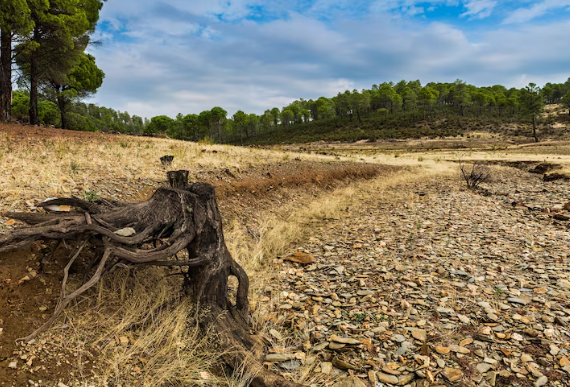
While there is hope in the battle against extinction, various challenges persist. The rapid expansion of human populations leads to habitat destruction, directly affecting the ecosystems that various species depend on. This trend is palpable in both Africa and Madagascar, illustrating a global issue that transcends geographical borders.
- Habitat loss: Urbanization and agriculture threaten natural landscapes.
- Human-wildlife conflict: As habitats overlap, interactions can lead to a decrease in local fauna.
- Climate change: Altered weather patterns affect the habitats of many species.
Mitigating Human-Wildlife Conflict
To effectively address these challenges, conservationists are exploring various mitigation strategies. Community-based conservation programs have gained traction, recognizing that local populations often hold the key to successful preservation. By involving communities in conservation planning, initiatives can mitigate conflict and promote stewardship of natural resources.
Innovative Research and Monitoring Techniques
Technological advancements have revolutionized conservation efforts, providing tools for better data collection and analysis. For instance, the use of camera traps not only aids in tracking elusive species like the fossa but also helps to monitor the impacts of invasive species and resource competition in shared habitats.
| Species | Conservation Status | Key Threats | Monitoring Techniques |
|---|---|---|---|
| White Rhino | Near Threatened | Poaching, habitat loss | Animal tracking collars, aerial surveys |
| Fossa | Vulnerable | Deforestation, human conflict | Camera traps, ecological surveys |
The Role of Community Engagement
Education and awareness campaigns are paramount in fostering a conservation ethic within local populations. By empowering communities through education, individuals become advocates for their local wildlife, aiding in both the protection and understanding of endangered species.
The Future of Conservation Learning from Past Experiences
As we move forward, it is vital to synthesize the lessons learned from both success stories and ongoing challenges within conservation efforts. The journey toward sustainable practices is ongoing, and flexibility will be key in adapting to new threats as they arise. Establishing a global dialogue and sharing best practices will strengthen the collective impact of conservation initiatives around the world.


