
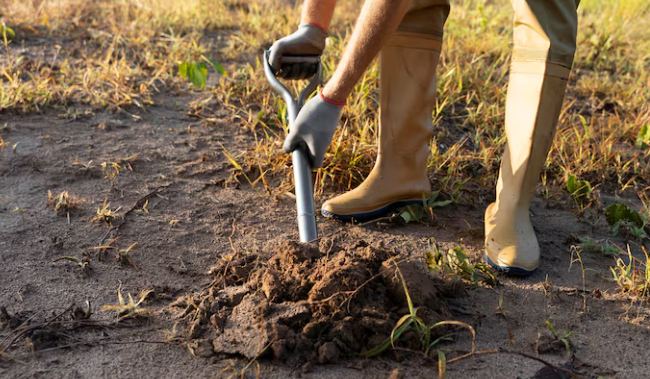
As urbanization unfolds at an unprecedented rate, the phenomenon of land artificialization emerges as a pressing concern, reshaping both our landscapes and ecosystems. As communities expand and infrastructure projects proliferate, the impact on biodiversity becomes glaringly apparent, exhibiting a troubling trend: the relentless march of asphalt is erasing the rich tapestry of life that once thrived in natural habitats. With each layer of concrete laid, not only do we witness the irreversible transformation of fertile soils into impermeable surfaces, but we also jeopardize vital ecological processes essential for sustaining life on this planet. In a world grappling with climate change, understanding the effects of this phenomenon has never been more urgent. This piece delves into the nature of land artificialization, its manifold consequences, and what the future may hold if current trends continue unabated.
Understanding Land Artificialization and Its Dynamics
The term “land artificialization” refers to the transformation of natural or agricultural land into urban or developed spaces, where durable surfaces dominate and the underlying soil loses its essential functions. This process is primarily driven by several factors, including rapid population growth, increasing economic aspirations, and the constant demand for housing and infrastructure.
The Drivers Behind Land Artificialization
Several factors fuel the relentless trend of land artificialization:
- Urban Sprawl: Expanding cities consume nearby rural spaces, leading to diminished agricultural areas.
- Economic Growth: Development projects and real estate investments overshadow ecological considerations.
- Infrastructure Development: Roads, bridges, and buildings replace habitats critical for numerous species.
The Dangers of Compressed Soil Ecosystems
The consequences of this transformation extend far beyond the loss of picturesque landscapes. As natural ecosystems succumb to asphalt, biodiversity experiences devastating declines. Species lose their habitats, disrupting food chains and threatening extinction. Notably, urbanized regions may become “ecological deserts,” characterized by a lack of flora and fauna that are essential for the integrity of the environment.
Impacts on Biodiversity
The consequences of land artificialization manifest in several critical ways:
- Habitat Loss: With natural habitats being paved over, many species are pushed to the brink of extinction.
- Reduction in Carbon Sinks: Vegetated areas that once absorbed carbon dioxide are replaced by surfaces that emit greenhouse gases.
- Alteration of Water Cycles: The absorption and filtration of water are adversely affected, leading to increased flooding and water scarcity.
| Consequences | Impacts on Ecosystem | Long-term Effects |
|---|---|---|
| Loss of Biodiversity | Decline of native species populations | Increased vulnerability to climate change |
| Soil Compaction | Reduced soil fertility and health | Decreased agricultural productivity |
| Water Runoff | Increased surface water pollution | Declining water quality for human use |
Our Response: The Path Toward Zero Net Artificialization
In response to the challenges presented by land artificialization, initiatives are being launched worldwide. Among these, the concept of “Zero Net Artificialization” proposes a paradigm shift. The essence of this initiative is straightforward: for every square meter of land developed, an equivalent area of land should be restored.
Implementing Sustainable Solutions
To combat the impacts of land artificialization effectively, concrete steps must be taken:
- Land Restoration: Prioritize the renaturation of artificialized lands to rehabilitate ecosystems.
- Sustainable Urban Planning: Integrate green spaces within urban designs to retain biodiversity.
- Community Engagement: Educate and involve local communities in preserving their natural environments.
Conclusion: The Call to Action
In light of the mounting biodiversity crisis fueled by land artificialization, we must reevaluate our development strategies and prioritize ecological balance. The road ahead is complex, but with collaborative efforts and innovative solutions, it is possible to envision cities that harmonize with nature rather than dominate it.


