Tarot readings draw meaning from two intertwined systems: the arrangement of cards and the images printed on them. A spread gives each card a role, while its symbols provide clues that help the reader connect that role to the question at hand.
Understanding how these elements work together can make a reading more coherent without turning it into a fixed prediction. From the broad themes of the Major Arcana to the everyday concerns of the Minor Arcana, each card contributes to a pattern shaped by its position, its neighbors and the reader’s approach.
Exploring Tarot spreads alongside Card symbolism offers a practical way to deepen Tarot interpretation. It also shows how structure and Intuitive guidance can support reflection while leaving room for personal context and different traditions.
Tarot Spreads and the Meaning of Card Positions
Tarot spreads organize a reading by assigning a purpose to each place in the layout. One position might represent the present situation, another an obstacle, and a third a possible direction. These roles help the reader interpret a card in relation to the question rather than treating it as an isolated message.
A simple three-card spread, for example, may map a situation across past, present and future. The same cards can take on a different emphasis if the positions instead represent circumstances, choices and likely outcomes. Card positions establish the reading’s framework, but the meanings remain responsive to context.
Some layouts are designed for focused questions, while larger spreads explore several connected themes. The Celtic Cross, for instance, places a central pair of cards among positions concerning influences, hopes and possible developments. Its detail can be useful, though a smaller layout may be easier to follow when the question is specific.
Choosing a spread is therefore part of the interpretive process. A layout should clarify the inquiry, not overwhelm it; the best structure is the one that gives each card a meaningful role.
Spread Selection for Clearer Readings
Before laying out cards, it helps to phrase a question in a way that invites reflection rather than demanding certainty. A question about factors affecting a decision can open several useful lines of thought, whereas a request for a guaranteed outcome may narrow the interpretation prematurely.
Readers can also adapt a spread to the subject. A relationship reading might distinguish communication, expectations and shared challenges, while a work-related layout could examine current conditions, available resources and potential next steps. In each case, the positions act as prompts for considering different angles.
These structures become more revealing when the imagery is considered in detail. The layout indicates where to look; the cards’ visual language supplies another layer of meaning.
Card Symbolism Across the Major and Minor Arcana
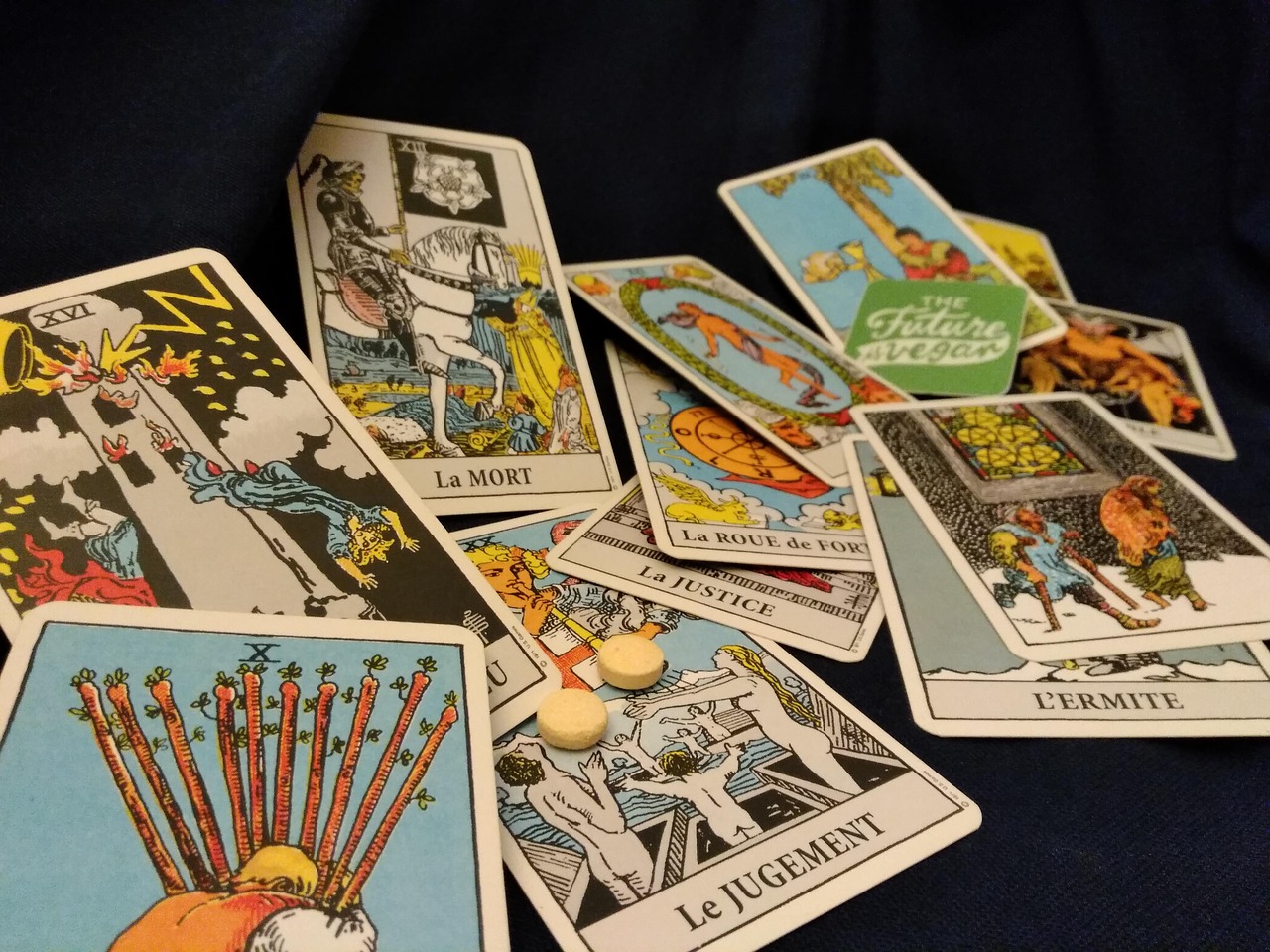
Card symbolism includes more than familiar objects such as cups, swords, stars or pathways. Colors, gestures, landscapes, numbers and the direction of a figure’s gaze may all contribute to a card’s symbolic meanings. Their importance depends on the deck, the question and the surrounding cards.
The Major Arcana often portrays broad experiences or recurring themes, such as change, choice, balance and renewal. The Minor Arcana tends to address more immediate circumstances through four suits: Wands, Cups, Swords and Pentacles. This distinction is a useful guide, not a rigid rule; a Minor Arcana card can still feel significant in a particular reading.
Arcana Themes and Visual Details
Numbers and suits can help readers recognize recurring motifs. A sequence of several Swords might draw attention to thought, communication or tension, while repeated Pentacles may foreground practical resources and responsibilities. Such patterns gain meaning from their place in the spread, not from repetition alone.
Decks also vary in how they depict traditional themes. A symbol familiar in one deck may be altered or reinterpreted in another, so it is useful to consider the artist’s choices rather than assume every image carries a universal definition. Visual details enrich interpretation when they are read in context.
| Card element | Common interpretive focus | Question to consider |
|---|---|---|
| Major Arcana | Broad themes and turning points | What larger pattern may be unfolding? |
| Minor Arcana suits | Everyday concerns and areas of life | Which part of daily experience is emphasized? |
| Numbers and repeated images | Sequences, echoes and recurring motifs | What detail appears more than once? |
| Figures and setting | Movement, relationships and atmosphere | Where does the image direct attention? |
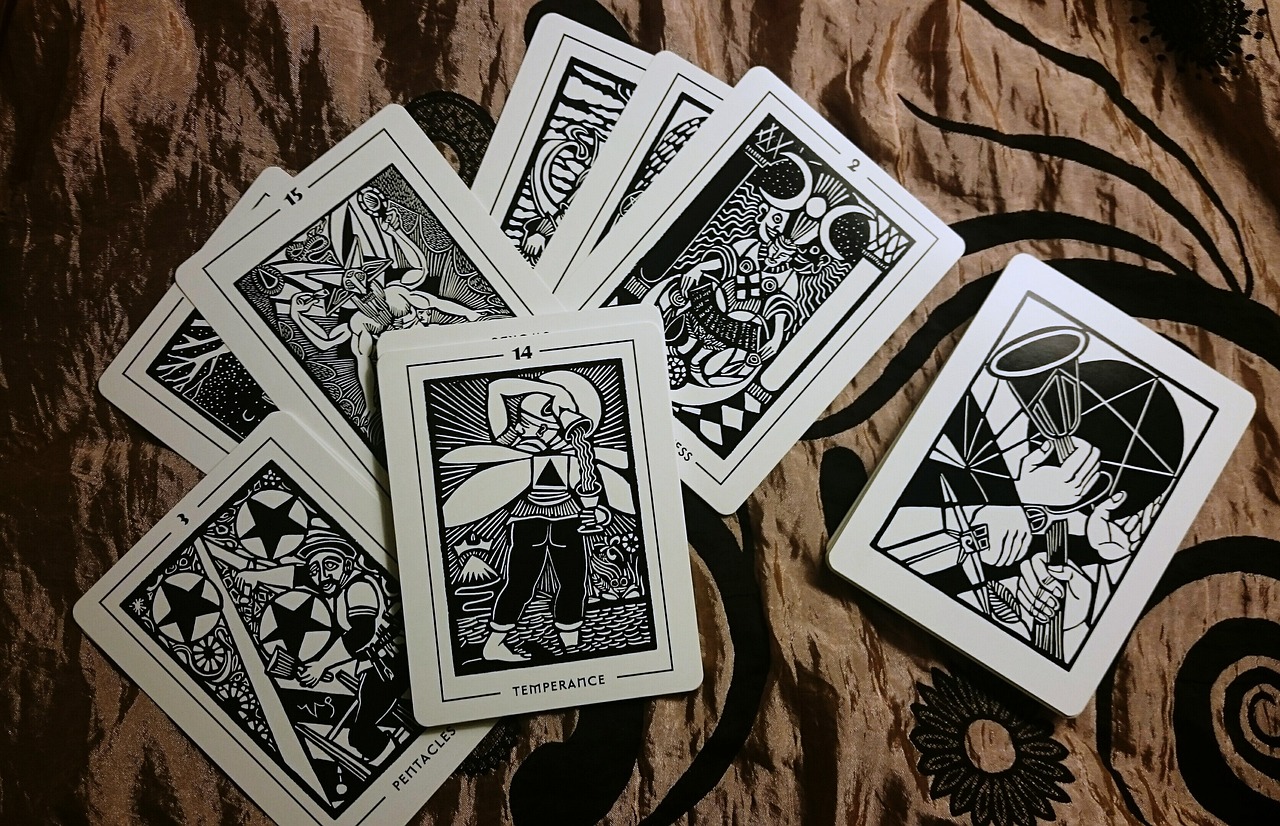
Reading Patterns and Connected Interpretations
Reading patterns emerge when several cards appear to reinforce, contrast with or complicate one another. A card associated with movement beside one associated with delay, for example, may invite reflection on competing impulses. The contrast does not automatically predict an obstacle; it identifies a tension worth examining.
Connections can also appear through repeated suits, numbers, colors or figures. A cluster of Cups may bring emotional concerns to the foreground, while a mixture of contrasting suits can suggest that a question involves several areas at once. The reader can trace these links without forcing every detail into a single explanation.
For readers looking to develop their understanding further, exploring different Tarot card readings can provide additional perspectives on card combinations, symbolic meanings and interpretation techniques.