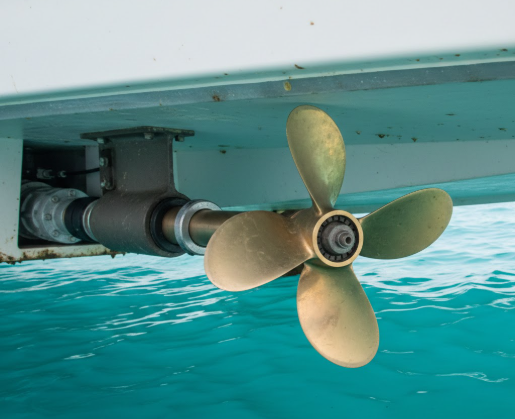
Maintaining a boat involves more than just regular cleaning and fueling; it requires keen attention to detail, particularly when it comes to the condition of its running gear. Over time, various components, such as propellers, shafts, and bearings, endure significant wear and tear, which can affect overall performance and safety. Recognizing the signs that indicate a need for replacement not only preserves the health of the boat but also ensures smooth sailing experiences. This article dives into the critical signs that indicate it’s time for replacement, guiding boat owners on how to detect these issues and act accordingly.
Understanding the Importance of Regular Marine Maintenance
Marine maintenance is a pivotal aspect that impacts the long-term performance of any boat. Without it, key components of the boat running gear can deteriorate. Over time, parts such as propellers and shafts experience various stresses due to environmental factors like saltwater corrosion or physical damage. Regular inspections and proactive maintenance ensure that these parts function optimally.
Common Types of Boat Running Gear and Their Functions
The primary parts of a boat’s running gear include:
- Propellers: Essential for providing thrust, any wear or damage can lead to performance loss.
- Shafts: Connect the engine to the propeller; misalignment can create vibration issues.
- Bearings: Essential for smooth rotation; any damage can lead to serious structural problems.
Understanding the importance of these components assists boat owners in recognizing when servicing or replacement is necessary. For example, if the propellers begin to lose efficiency, it might indicate hidden damage that, if left unchecked, results in more extensive repairs down the line.
Key Replacement Signs Every Boat Owner Should Recognize
Many boaters may overlook subtle early warning signs that indicate their boat running gear is in need of replacement. It’s crucial to stay vigilant to ensure not only performance but safety as well. Recognizing these signs early can save considerable time and money.
Reduced Top Speed
If your boat used to slice through the water with ease but now struggles to achieve its top speed, it’s essential to assess the propeller. Damaged, bent, or worn propellers create excessive drag, obstructing the vessel’s performance. Even minor defects can lead to significant issues, often manifesting as a marked difference in speed, especially under load.
Visible Blade Damage
Regular inspections can reveal visible blade damage. Look for:
- Nicks or gouges possibly caused by debris strikes.
- Corrosion or pitting from electrolysis.
- Bent blades potentially from grounding incidents.
Ignoring these issues compromises the integrity and efficiency of the propeller, whereby even small cracks can necessitate a complete replacement. This is vital for maintaining the overall safety of the vessel.
Unusual Vibrations and Engine Over-Revving
A properly balanced propeller runs seamlessly, but any newfound vibrations can indicate serious damage. If your engine is revving higher than usual without a noticeable increase in speed, it might be time for a professional inspection. This phenomenon can result from cavitation or hub failure, both of which require immediate attention.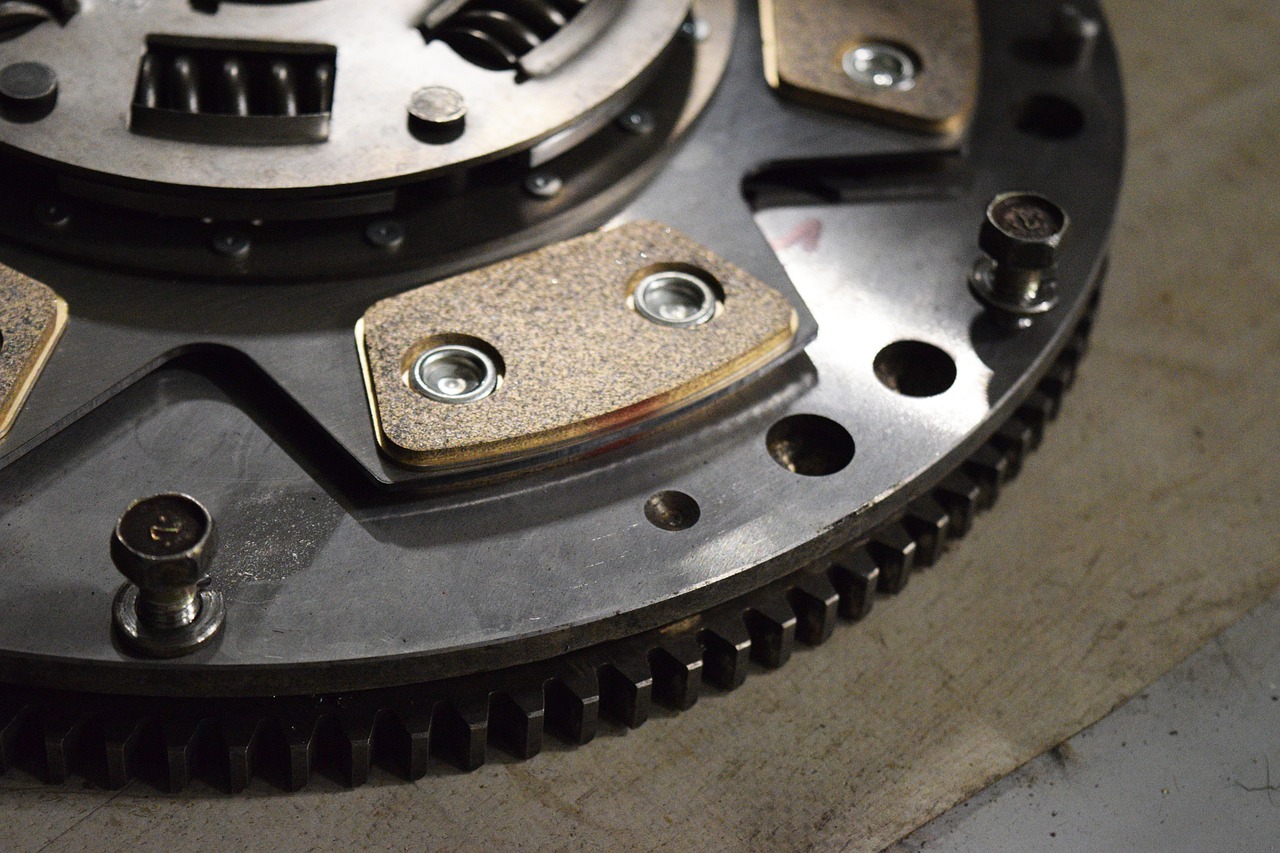
The Impact of Gear Corrosion on Boat Performance
Gear corrosion is an ongoing concern for boat owners. Factors such as exposure to saltwater and prolonged submersion can significantly worsen the condition of running gear. When gear components such as shafts and bearings corrode, they become susceptible to failures that may lead to catastrophic issues.
Preventative Measures Against Corrosion
Effective strategies to combat corrosion include:
- Regular cleaning of components to remove any salt deposits.
- Using protective coatings on susceptible parts.
- Ensuring proper anode protection to prevent electrolysis.
By implementing these measures, boat owners can extend the lifespan of their running gear. Recognizing the signs of corrosion early can prevent costly repairs and ensure a safer boating experience.
Monitoring Performance Loss Over Time
Performance losses are often the most noticeable sign that replacement is due. Boats should consistently operate at peak efficiency, and any decline should raise a red flag. Monitoring speed, acceleration, and handling helps in early detection of potential performance issues.
Tracking Your Boat’s Performance
Keeping logs of speed and fuel consumption can provide valuable insights into performance trends. If fuel consumption starts to increase without changes in load or speed, this might indicate that the propeller, bearings, or fuel system could be malfunctioning, leading to unnecessary strain on the engine.
When these warning signs appear, consulting a specialized marine professional is essential—Florida Divers, a trusted expert in boat running gear repair and replacement.