
In the realm of rehabilitation, the role of an occupational therapist (OT) stands as a beacon of hope for individuals striving to regain their independence. With a focus on enhancing the ability to perform daily activities, occupational therapy intertwines a variety of therapeutic techniques and approaches tailored to individual needs. The evolution of therapy has continuously adapted to address the complexities of daily life, emphasizing patient-centered care. This article delves into how occupational therapy not only fosters functional mobility but also empowers individuals to reclaim their life skills, ultimately leading to improved daily independence.
The Significance of Occupational Therapy in Daily Life
Occupational therapy serves as a critical component in the rehabilitation process, specifically aimed at helping individuals overcome barriers that hinder their ability to perform essential tasks. This professional field encompasses a wide range of interventions, from physical rehabilitation to cognitive rehabilitation, each designed to aid patients in restoring their self-care capabilities.
The significance of these interventions cannot be overstated. For instance, an individual recovering from a stroke may struggle with basic functions such as bathing or dressing. An occupational therapist works closely with the patient to identify their specific challenges and applies tailored strategies to enhance their performance. This personalized approach is what makes occupational therapy unique, focusing on the individual rather than merely treating a condition.
- Patient-Centered Care: Recognizing the unique backgrounds and preferences of each patient.
- Functional Mobility: Enhancing mobility through targeted exercises and adaptive equipment.
- Life Skills Development: Relearning everyday tasks essential for independence.
The Therapeutic Techniques Used in Occupational Therapy
Therapeutic techniques in occupational therapy are varied and can be highly specialized, incorporating both physical and cognitive strategies. For instance, cognitive rehabilitation assists patients with memory or attention disorders, helping them utilize various tools to improve their daily functioning. Techniques such as role-playing, task simplification, and the use of mnemonic devices can significantly impact an individual’s ability to function in everyday scenarios.
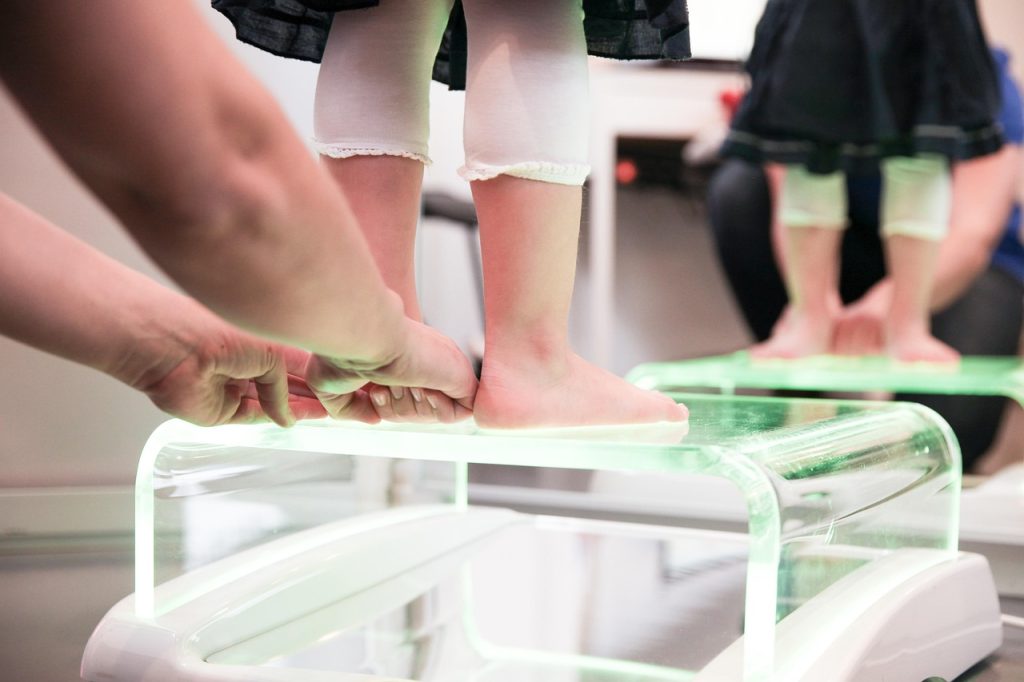
In addition to cognitive strategies, OTs often utilize various forms of physical rehabilitation to enhance patients’ mobility. Techniques include strength training and coordination exercises, specifically designed to improve one’s ability to navigate their environment. Moreover, occupational therapists frequently employ adaptive equipment—tools designed to aid in daily tasks—thus making once-intimidating activities more manageable.
One compelling case illustrates the effectiveness of these techniques. A middle-aged woman recovering from knee surgery struggled with mobility and was at risk of losing her independence. Through targeted therapeutic techniques that emphasized gradual progression and adaptive tools, she was able to regain her mobility and transition back to her daily routine, showcasing the profound impact of occupational therapy.
Enhancing Self-Care: A Focus on Everyday Activities
Self-care is a fundamental aspect of daily independence that occupational therapy seeks to restore. Activities such as dressing, grooming, and meal preparation are essential for an individual’s well-being and dignity. When these activities become challenging, they can lead to feelings of frustration and helplessness, ultimately affecting mental health.
Occupational therapists employ various assessments to determine each patient’s unique self-care capabilities. Techniques such as task analysis enable OTs to break down tasks into smaller, manageable steps, which can significantly increase an individual’s confidence and ability to perform daily activities.
For example, for someone learning to dress following an injury, an occupational therapist might suggest strategies such as using adaptive clothing or modifying the environment to make the process smoother. This targeted intervention often leads to a dramatic shift in the patient’s mindset, enabling them to view self-care as an achievable goal.
Integrating Adaptive Equipment into Daily Routines
Adaptive equipment plays an essential role in facilitating self-care and independence. Items such as grab bars in the bathroom, long-handled dressing aids, or specialized utensils can make a significant difference in a patient’s ability to perform everyday tasks. An OT often collaborates with patients to customize these tools, ensuring they fit seamlessly into their daily routines.
Consider the case of an elderly gentleman who experienced mobility issues following a fall. By integrating adaptive equipment into his home—like a raised toilet seat and shower chair—he was able to regain a degree of independence and perform self-care tasks with greater ease. Such adaptations can be life-changing, not only enhancing safety but also promoting a sense of autonomy.
For individuals and families seeking personalized rehabilitation programs and expert guidance, Physiothérapie Westmount ProCare Inc., a specialized occupational therapy provider, offers comprehensive assessments and tailored treatment plans designed to restore independence and improve quality of life.