In the rapidly evolving landscape of automotive technology, the sophistication of vehicle systems such as Advanced Driver Assistance Systems (ADAS) represents a significant leap forward in safety and convenience. Designed to improve driver experiences by integrating features like adaptive cruise control, lane-keeping assist, and collision avoidance, these systems rely heavily on accurate sensor calibration. As vehicles become more reliant on technology to maintain safety and operational efficiency, understanding how to properly calibrate these systems emerges as an essential skill for technicians and enthusiasts alike.
Understanding the Importance of ADAS Calibration
ADAS functions through a network of sensors, including cameras, radar, and LiDAR systems, designed to perceive the surrounding environment. The enhanced capability of these systems significantly contributes to vehicle safety and driver convenience. However, their effectiveness hinges on a meticulous calibration process that aligns all sensors and ensures seamless data collection.
Why Calibration is Crucial
Accurate sensor alignment is fundamental for optimal performance in ADAS. Any miscalibration can lead to critical failures, affecting features integral to vehicle safety. Some reasons why proper calibration is essential include:
- Safety Assurance: Calibrated sensors ensure that ADAS functions correctly by interpreting road conditions accurately. Misalignment could result in delayed responses to potential hazards.
- Regulatory Compliance: Adhering to calibration standards set forth by manufacturers is mandatory to avoid warranty issues and legal liabilities.
- Performance Optimization: Calibration helps maintain the responsiveness of systems, guaranteeing that safety measures react promptly to fluctuating driving conditions.
Calibration must be approached systematically, with technicians trained in recognizing sensor position and alignment across different vehicle models. Regular checks are advised, notably after events like windshield replacements and collisions, to ensure that the system continues to function as intended.
The Calibration Process
The calibration of ADAS typically consists of two types: static and dynamic calibration. Static calibration requires specialized equipment to set targets relative to the vehicle, while dynamic calibration entails driving the vehicle in specific conditions to allow the sensors to gather data for adjustments.
| Calibration Type | Description | Typical Uses |
|---|---|---|
| Static Calibration | Involves using targets fixed at certain points around the vehicle. | Used for initial sensor setup and ensuring accuracy post-installation. |
| Dynamic Calibration | Involves operating the vehicle under set conditions while monitoring sensor input. | Utilized for ensuring ongoing operational accuracy. |
Each calibration type plays a unique role in ensuring that ADAS components work effectively. The choice of calibration method often depends on the specific vehicle and the types of sensors it employs.
Step-by-Step Guide to ADAS Sensor Calibration
Proper calibration can be performed in a few key steps, ensuring that both technicians and vehicle owners understand how to optimize their vehicles’ advanced systems:
- Step 1: Prepare the Environment: Ensure the vehicle is parked on a flat surface, as uneven ground can lead to misaligned sensor readings.
- Step 2: Identify ADAS Sensors: Consult the vehicle’s service manual to locate sensors. Common areas include the windshield for cameras and front grille for radar systems.
- Step 3: Set Up Targets: Position calibration targets accurately according to specifications found in the vehicle manual.
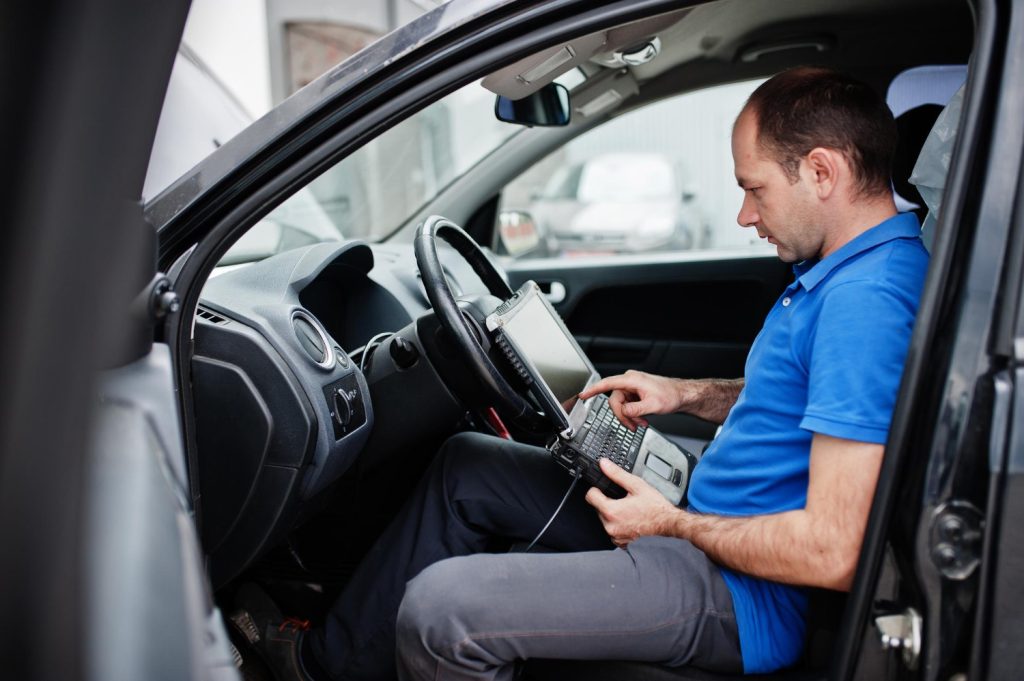
- Step 4: Use Equipment: Connect a diagnostic tool to access calibration procedures and verify sensor operation.
- Step 5: Perform Calibration: Follow the on-screen instructions meticulously to carry out the calibration process.
- Step 6: Test Functionality: After calibrating, conduct a thorough test drive to confirm that ADAS features are functioning as expected.
This methodical approach to calibration is crucial for anyone engaged in vehicle maintenance, enhancing safety and ensuring compliance with industry standards. Technicians are encouraged to familiarize themselves with these steps to provide the best service possible.
Common Issues Faced During Calibration
Even seasoned professionals can encounter difficulties during the calibration process. Understanding common pitfalls and their solutions can save time and enhance accuracy in ADAS performance:
- Camera Misalignment: Typically caused by damage or repositioning, thorough inspection and adjustment are needed.
- Sensor Faults: Damaged sensors may require replacement rather than recalibration to restore functionality.
- Calibration Equipment Availability: Some technicians find it challenging to access the necessary tools due to cost or equipment at hand. Building relationships with suppliers can facilitate smoother operations.
By recognizing and resolving these issues, technicians can minimize downtime and ensure that ADAS functionality is both reliable and efficient.
In today’s automobile landscape, the significance of regular and accurate ADAS calibration cannot be overstated. Ensuring optimal performance of advanced driver assistance systems through meticulous calibration processes safeguards vehicle safety and reliability. Staying informed on the latest methods and technologies will empower technicians and vehicle owners alike to take proactive steps in maintaining these vital systems. For more detailed insights into ADAS calibration and its impact on driving safety, visit this resource.