
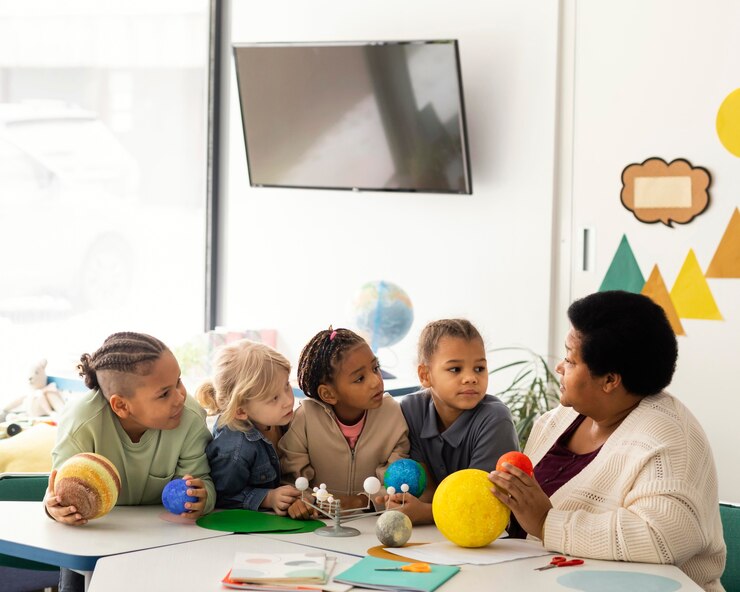
The development of toddlers is a fascinating journey marked by rapid growth and exploration. As they navigate through their early years, children experience significant changes across multiple domains, including physical, cognitive, and social-emotional development. Educators play a crucial role in fostering a nurturing environment that supports these developments during this critical period. Employing effective classroom strategies can enhance a toddler’s learning experience, paving the way for lifelong skills. With this in mind, let’s explore various approaches that can effectively support strong development in early childhood.
Creating Opportunities for Sensory Exploration
Engaging toddlers in sensory exploration is one of the most effective ways to facilitate their development. Children thrive in environments that stimulate their senses. Opportunities for tactile experiences, such as manipulating playdough, exploring sand, or pouring water, are essential. These activities not only enhance fine motor skills but also provide a platform for language development as toddlers describe their actions and sensations.
When toddlers engage in activities like sensory bins filled with rice, beans, or water beads, they build muscles necessary for later skills. For example, squeezing, digging, and pouring all contribute to the development of fine motor skills crucial for writing. Pairing sensory activities with verbal interaction allows educators to introduce new vocabulary. For instance, using words like “squishy” or “rough” helps children articulate their experiences.
To promote effective sensory exploration, consider implementing the following strategies:
- Set up a dedicated sensory play area with varied tactile materials.
- Integrate sensory experiences into art projects, encouraging toddlers to use different textures.
- Involve children in cooking activities where they can mix and measure ingredients.
The table below outlines different materials and their benefits in fostering sensory exploration:
| Material | Benefits |
|---|---|
| Playdough | Enhances fine motor skills and creativity. |
| Sand | Promotes tactile exploration and imaginative play. |
| Water beads | Stimulates visual and tactile senses while promoting motor skills. |
Encouraging Creativity through Open-ended Play
Open-ended play is a vital component of toddler development as it allows children to unleash their imaginations freely. Unlike structured play, which is directed toward specific outcomes, open-ended play offers toddlers the freedom to explore materials in any manner they choose. Encouraging this type of play fosters creativity, problem-solving abilities, and self-expression.
An excellent way to introduce open-ended play is through building activities involving blocks, LEGO bricks, or other construction toys. For instance, when children play with blocks, they might build towers, bridges, or even imaginary structures. Providing a mix of items, such as small figures or various building materials, enhances this play experience, supporting cognitive growth as children create and navigate their ideas.
Consider the following methods to enrich open-ended play:
- Provide diverse materials such as fabrics, cardboard, and natural elements for children to explore creatively.
- Encourage mixed media arts and crafts where toddlers can use scissors, glue, and firsthand materials without strict instructions.
- Facilitate role-play scenarios using props that encourage imaginative storytelling.
Below is a list of the benefits of open-ended play:
| Benefit | Description |
|---|---|
| Enhanced Problem-Solving Skills | Toddlers learn to navigate challenges independently. |
| Improved Language Skills | Children use language to express their ideas and concepts. |
| Fostering Independence | Open-ended play encourages toddlers to make choices and build confidence. |
Incorporating Physical Movement into the Learning Environment
Movement plays a critical role in toddler development, affecting both physical and cognitive growth. Integrating physical activities into the learning environment is essential. Engaging toddlers in movement-rich experiences fosters their overall development while fulfilling their need for exploration and activity.
For instance, activities such as stretching, dancing, or playing games outdoors allow toddlers to connect with their bodies while learning. Incorporating music and rhythm into these activities further enhances engagement, as movement naturally correlates with cognitive function.
To optimize physical movement in the classroom, consider these strategies:
- Create themed movement sessions where toddlers can dance, jump, or crawl based on a storyline or song.
- Set up simple obstacle courses that encourage climbing, balancing, and coordination.
- Utilize songs that involve movement, allowing children to express emotions and expand their coordination skills.
The following table highlights various physical activities that can support toddler development:
| Activity | Developmental Focus |
|---|---|
| Obstacle courses | Gross motor skills, coordination, and confidence. |
| Dance parties | Rhythm, coordination, and self-expression. |
| Movement games | Social skills, listening skills, and teamwork. |
Promoting Independence and Self-confidence
As children transition into toddlerhood, they exhibit a growing desire for independence. This stage is crucial for developing a sense of self, making it imperative to cultivate an environment where children are encouraged to undertake tasks on their own. Confidence in their abilities bolsters young children’s willingness to explore and learn.
. For those seeking additional resources or professional support in early childhood development, CHERRY BLOSSOM LC offers guidance and tools designed to enrich learning environments and promote well-rounded growth.


