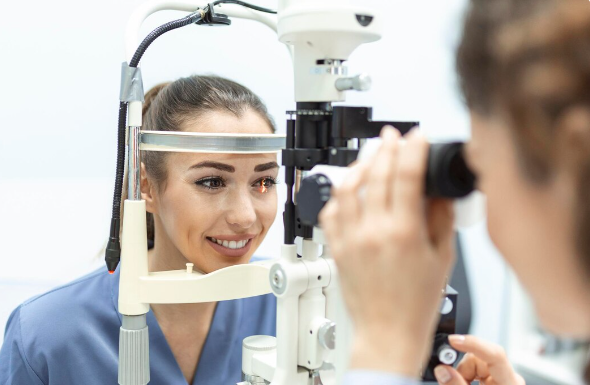
As we navigate through the years, our bodies evolve, and so do our eyes. For individuals aged 40 and above, the need for a regular eye exam transcends mere prescription updates. Beyond the routine checks, it’s crucial to uncover the underlying changes that can signal impending eye diseases. In an era where chronic health conditions are rampant, understanding the intricate relationship between vision and overall health is imperative. Eye exams not only serve to assess vision acuity but, more importantly, act as a litmus test for various health issues that often manifest subtly, evading notice until the damage is significant.
The Critical Importance of Eye Exams After 40
Once you hit the milestone of 40 years, your eyes begin to experience changes that can predispose you to various eye diseases. The American Optometric Association emphasizes the importance of a thorough eye exam at this juncture, even if your vision seems adequate. Standard tests often miss critical indicators of health issues that could have serious consequences if left unchecked.
Common Eye Problems to Watch For
Several eye ailments are prevalent among adults over 40, necessitating heightened vigilance and regular screenings. Here are some of the most common issues:
- Cataracts: These cloudy lenses develop gradually, significantly impacting vision quality. They are the foremost cause of vision impairment in the U.S.
- Diabetic Retinopathy: A consequential condition for those with diabetes, it damages the blood vessels in the eye, potentially leading to blindness if not treated early.
- Glaucoma: This group of diseases erodes the optic nerve, often without noticeable symptoms, making regular monitoring crucial.
- Age-Related Macular Degeneration (AMD): This condition affects the retina, gradually impairing central vision and impacting daily activities.
The Role of Comprehensive Eye Testing in Prevention
A standard eye test may assess visual acuity and determine if you need glasses, but it typically overlooks significant health indicators that lie beyond vision. A comprehensive eye exam delves deeper, examining the back of the eye, where blood vessels can be evaluated for early signs of systemic diseases such as high blood pressure and diabetes.
Recommended Frequency of Eye Exams
Understanding how often to schedule your eye exams is essential for maintaining optimal eye health. Here’s a guideline based on common age groups:
| Age Group | Recommended Frequency |
|---|---|
| Under 40 | Every 5 to 10 years |
| Age 40-54 | Every 2 to 4 years |
| Age 55 and older | Annually |
This schedule emphasizes why prioritizing periodic assessments is critical as we age. Notably, individuals with existing health issues, such as diabetes or a family history of eye diseases, may need to visit an eye care professional more frequently.
Signs That Warrant Immediate Attention
Some symptoms necessitate prompt consultation with an eye specialist, regardless of when your next exam is due:
- Sudden decrease in vision
- Persistent eye pain or discomfort
- Redness or unusual drainage from the eye
- Experiencing floaters or flashes of light
Being attuned to these warning signs can help avert serious complications, reinforcing the idea that proactive eye care is paramount.
Emphasizing Preventive Eye Care for All Age Groups
While adults over 40 are particularly at risk for various vision problems, it’s equally important to engage in preventive eye care at any age. Children should also undergo eye exams early on, as developmental issues like amblyopia can significantly affect their educational journey if undiagnosed.
The future of vision health depends on our commitment to regular screenings and education about the significance of eye care. As we move forward, understanding that vision health is integral to overall well-being will be crucial in 2026 and beyond.
Consider consulting eye specialists who prioritize thorough examinations tailored to your unique health profile and lifestyle. Now is the time to take charge of your vision health! Contact Ideo by Leoncio Gonzalez.