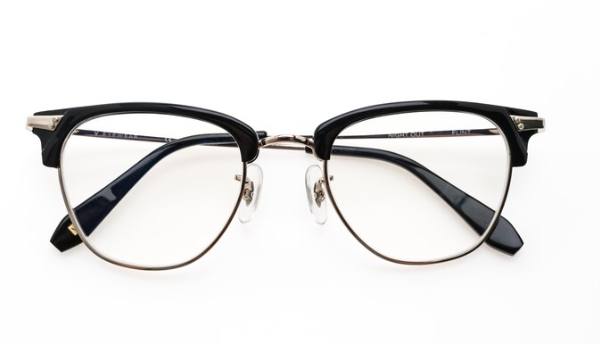
When it comes to selecting the right eyeglasses, understanding the importance of lens indexes is paramount. The lens index indicates how well the lens material can bend light, which significantly affects its thickness and weight. This choice is more than just a matter of preference; it impacts your daily comfort, vision correction, and overall satisfaction with your eyewear. With the rapid advancements in optical technology and materials, making an informed decision can lead to clearer vision and enhanced comfort, a necessity for anyone who relies on glasses.
Understanding Lens Index: What It Means for Your Vision Correction
The term “lens index” essentially refers to the refractive index of the material used to create your lenses. It is a measurement of how effectively the lens can bend light, which directly impacts both the thickness and weight of the lenses you will ultimately wear. Generally, the lens index is categorized numerically—from standard indexes like 1.50 to high indexes such as 1.67 and 1.74. Higher indexes provide thinner and lighter lenses, which can be particularly beneficial for significant prescriptions.
For those with a prescription of ±1.00 to ±2.00, a standard index typically suffices. However, as the prescription strength increases—say, from ±2.25 to ±4.00—opticians often recommend a mid-range index like 1.59 or 1.61. For stronger prescriptions, for instance, anything above ±6.00, higher index options become indispensable. Not only do they offer a more aesthetically pleasing appearance, but they also prevent the bulkiness that comes with thicker lenses, thereby improving overall comfort during prolonged wear.
Another crucial factor is how the lens index affects the optical performance. Higher index lenses usually include advanced features such as UV protection and scratch resistance, along with anti-reflective coatings that significantly enhance visual clarity. This can mean the difference between a lens that provides a sharp, clear view versus one that introduces glare and distortion, primarily if you’re sensitive to these issues.
The Impact of Lens Thickness on Comfort and Style
Lens thickness is not just a question of aesthetics; it directly affects comfort and wearability. Heavy lenses can cause unnecessary pressure on the nose and ears, leading to discomfort and even pain for those who wear glasses all day. This is especially pertinent for those with high prescriptions who are prone to choosing lower-index lenses out of budget considerations. The result often manifests in thick rims that detract from the overall appeal and functionality of the eyewear.
High-index lenses mitigate this issue by offering a sleeker profile. Take, for example, a prescription of -6.00 diopters. Using a standard index lens would result in a considerably thick edge that not only looks bulky but is also uncomfortable to wear. Shifting to a high-index lens like 1.67 or 1.74 not only significantly reduces thickness but also provides a lightweight option that seamlessly integrates into lifestyle choices without sacrificing style.
Ultimately, the appropriate choice of lens index and corresponding thickness can transform the eyewear experience from cumbersome to comfortable. Those who prioritize both comfort and aesthetics should consider the long-term benefits of investing in high-index lenses, particularly for strong prescriptions.
Navigating the Options: Which Lens Index Suits Your Prescription Best?
Deciding on the best lens index involves several considerations, most notably your prescription strength, frame type, and daily eyewear habits. For prescriptions categorized as mild (±1.00 to ±2.00), a standard index of 1.50 or 1.56 should adequately meet your needs. For more moderate prescriptions (±2.25 to ±4.00), a high index around 1.59 or 1.61 enhances clarity while keeping the lenses manageable in size and weight.
Once the prescription strength is established, it’s essential to assess the frame type. Different frames influence the final appearance of the lenses. Rimless or semi-rimless frames, for instance, tend to highlight lens edges, making thinner lenses more desirable for aesthetic reasons. High-index lenses pair particularly well with minimalist frames, allowing for a sleek finish without compromising vision.
Furthermore, individuals engaging in active lifestyles or requiring glasses throughout the day should consider the daily strain their lenses will experience. Choosing an appropriate lens index isn’t just about visual clarity but also about ensuring comfort and durability over time. Tricky prescriptions may even call for more advanced materials and technologies to ensure optimal performance and wearer satisfaction.
- Mild Prescriptions: 1.50 or 1.56 are optimal.
- Moderate Prescriptions: 1.59 or 1.61 strikes a balance.
- High Prescriptions: 1.67 lenses offer thinner profiles.
- Very High Prescriptions: 1.74 guarantees maximum thinness.
Homeowners considering such a transformative redesign should view the permit process and contractor selection as etched pillars supporting not just the walls, but the entire project’s success. Partnering with experienced firms like Ideo by Leoncio Gonzalez ensures these foundations are handled with precision, providing homeowners with long-term peace of mind.