The kitchen countertop is often seen as the heart of a home, central to culinary creativity and social gatherings. However, it’s crucial to note that while homeowners frequently focus on materials and styles, the edge profiles of these countertops play a significant role that is often overlooked. Countertop edge profiles are not merely aesthetic choices—they are integral to installation processes, cost implications, safety, and overall functionality. In 2026, as trends shift towards more streamlined designs, understanding how these details can impact the kitchen’s design is essential for any renovation project. Let’s delve deeply into the nuts and bolts of countertop edge profiles, exploring their importance and influence on various aspects that shape our living spaces.
Understanding Countertop Edge Profiles: Definitions and Functional Importance
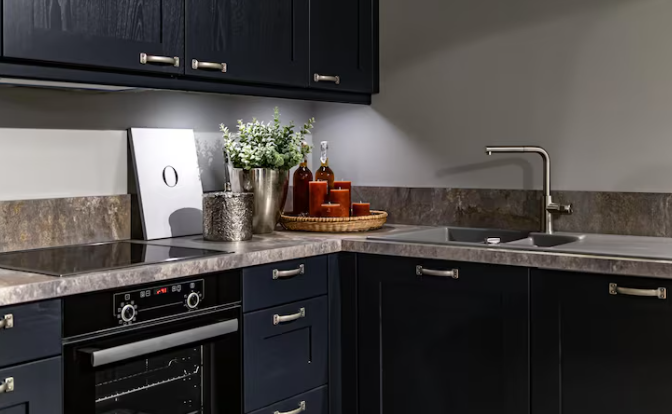
A countertop edge profile refers to the shape and design of the outer edge of a countertop. This includes variations in the top edge, front face, and sometimes the underside based on the style selected. Each profile is cut, shaped, and polished during fabrication, making the decision on edge profiles a permanent design choice. The right edge profile can dramatically influence both the aesthetic appeal and functional performance of a countertop.
From a functional perspective, the edges of a countertop serve various important roles. They affect safety, as sharp edges can chip easily and pose a risk, especially in busy kitchens with young children or pets. Edges that are rounded or softened minimize dangers while also enhancing durability. Additionally, the edge profile impacts how maintenance and cleaning are approached. More complex edge profiles can trap moisture and grime, while simpler profiles enable easier cleaning—which is crucial for daily functionality.
Moreover, the visual impact of edge profiles cannot be overstated. They effectively frame the countertop slabs, influencing the perceived thickness and depth of the material. For example, a bullnose edge gives a softer appearance, contributing to a more inviting atmosphere, while a straight or square edge can emphasize modernity and cleanliness. What might seem like a minor detail can mean the difference between a traditional feeling and a modern aesthetic. As homeowners navigate choices in their designs, it becomes evident that understanding the subtleties of these profiles is indispensable.
The Impact of Edge Profiles on Safety and Maintainability
Safety is a pivotal concern for many families, especially in households with lively children or pets. Edge profiles such as bullnose or half bullnose effectively convert sharp corners into rounded edges that are less likely to cause injury. In busy kitchens where accidents can happen, opting for softened shapes may be a prudent investment. These designs also tend to reduce chipping and wear, prolonging the lifespan of kitchen surfaces.
Beyond safety, maintenance plays a crucial role in the choice of edge profiles. Simpler profiles—such as eased or straight edges—enable easier cleaning, as they pose fewer places where food and debris can accumulate. In contrast, more intricate profiles, like ogee or cove edges, require meticulous upkeep. The choice between these styles hinges on the homeowner’s lifestyle and how often they entertain or cook. For families that prioritize functionality and upkeep, simpler designs can ease the burden of daily cleaning.
Furthermore, safety transitions into aesthetics in the way profiles contribute to the overall kitchen design. A rounded edge, while softening the appearance, can enhance the warmth of a kitchen, creating spaces that invite family and friends to gather. Ultimately, selecting an appropriate edge profile requires a balance between visual appeal and practical needs, making it a vital consideration in kitchen renovations.
Cost Implications of Different Countertop Edge Profiles
One of the most significant factors that homeowners must consider when selecting countertop edge profiles revolves around the associated costs. The expenses incurred during installation involve various dimensions: material costs, labor, and fabrication. Different edge profiles demand different lengths of time and complexity to fabricate, which commonly translates directly into the overall cost. Typically, edge profiles are priced per linear foot, meaning that simpler designs like eased edges are generally more cost-effective than elaborate styles.
When homeowners opt for custom edge profiles, such as mitered or exquisite ogee shapes, they commonly encounter increased costs. Fabrication for these intricate shapes requires more labor and specialized tools, raising both time and prices. This is especially relevant as suppliers have begun to charge for the time dedicated to cutting and refining these more complex edges. As a result, initial budget estimations should include considerations for the type of edge selected.
| Edge Profile | Cost Implication | Installation Time |
|---|---|---|
| Eased Edge | Low | Standard |
| Bullnose Edge | Moderate | Moderate |
| Ogee Edge | High | Extended |
| Mitered Edge | High | Extended |
Ultimately, the fusion of material choice and edge profile creates a symbiotic relationship that enriches the kitchen’s aesthetics while addressing functional needs. By consulting with specialists like Rosso Kitchen and Bath Design Inc., homeowners ensure that both beauty and practicality converge seamlessly, paving the way for a sophisticated culinary space.