
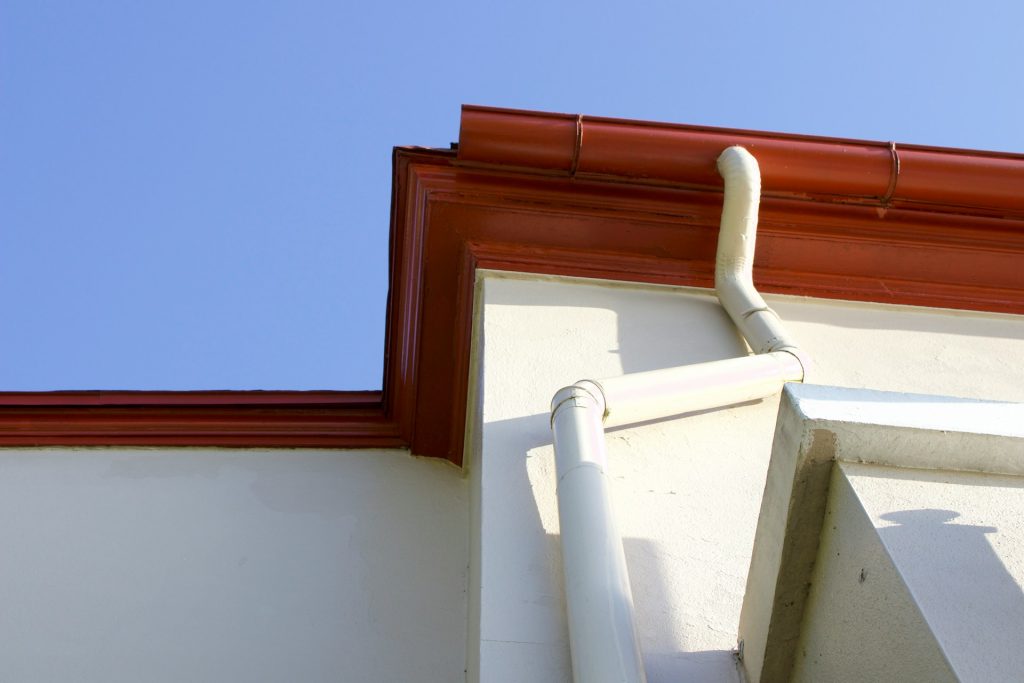
As the rainy season approaches, ensuring your gutters are functioning optimally becomes paramount for safeguarding your home against water damage. Gutters play an integral role in diverting rainwater away from your roof, walls, and foundation, preventing the need for expensive repairs or structural issues down the line. Neglecting gutters can lead to serious complications such as clogs, overflows, and extensive external damage to your property. This article delves into essential gutter maintenance tips that every homeowner should consider preparing for heavy rainfall.
Understanding the Importance of Regular Gutter Inspection
Regular inspection is the cornerstone of effective gutter maintenance. Homeowners are advised to conduct comprehensive checks of their gutters at least twice a year, ideally before and after the rainfall season. This proactive approach allows you to identify potential issues before they escalate into substantial problems.
Identifying Signs of Trouble
When inspecting your gutters, start from the ground level and look for indicators that might signal underlying issues. Pay attention to the following:
- Debris Buildup: Heaps of leaves, twigs, and other organic materials can often accumulate in the gutters, leading to clogs.
- Water Stains: Check for damp spots or stains on the siding of your house, which may indicate water overflow.
- Cracks and Rust: Carefully examine the gutters for cracks, rust, or any signs of wear that could compromise their integrity.
For a more thorough inspection, consider climbing a sturdy ladder to get a closer look. A detailed examination can help detect areas where water isn’t flowing efficiently, which can prevent major repair costs in the future.
Creating an Inspection Schedule
Establishing a consistent inspection schedule is crucial. Here’s a simple plan to follow:
- Inspect gutters before the onset of heavy rains in the spring.
- Perform another inspection after the rainy season ends to assess for any damage.
- Consider monthly checks during rainy months for early detection of problems.
This routine not only helps identify existing issues but also allows for preventive measures to be taken in a timely manner.
Cleaning Gutters: A Vital Maintenance Step
Cleaning your gutters is essential for ensuring proper water flow. Neglecting this step can lead to significant blockages, which can result in overflowing gutters during heavy rain. Proper maintenance involves not only cleaning but also using the right tools and safety precautions.
Tools and Safety Gear for Gutter Cleaning
Before diving into the cleaning process, ensure you are equipped with the necessary tools and protective gear:
- Gloves: Wearing gloves can protect your hands from sharp objects and debris.
- Trowel: Use a trowel to scoop out larger debris.
- Bucket: Keep a bucket handy for collecting debris as you clean.
- Garden Hose: Rinse the gutters after cleaning to ensure smooth water flow.
Choosing a sturdy ladder is also critical for your safety during cleaning. Regularly check for any structural issues in your gutters during the cleaning process.
Step-by-Step Cleaning Process
The gutter cleaning process can be broken down into simple steps:
- Remove large debris first, using your gloves and trowel to scoop out leaves and dirt.
- Once larger materials are cleared, use a garden hose to flush out smaller particles.
- Check the down spouts to ensure they are clear and that water flows freely.
By following these steps, you can maintain the functionality of your gutter system and avoid costly repairs from water damage.
Ensuring Proper Water Flow to Avoid Stagnation
One of the primary functions of your gutters is to channel water efficiently away from your home. To achieve this, proper water flow is crucial. A significant issue arises from improper sloping of mostly installed gutters.
Checking Gutter Slopes
Gutters should always slope slightly towards the downspouts to facilitate steady water flow. If water appears to stagnate in certain sections, it could indicate an improper slope. You can check this by pouring water into the gutters and observing its movement.
- Adjusting Hangers: If the slope is off, adjusting the hangers can help restore the correct angle.
- Installing Additional Downspouts: If necessary, consider adding more downspouts to enhance water drainage efficiency.
Having a rain gauge can also assist in monitoring the performance of your gutters. It can help you determine whether water is diverting correctly or if adjustments are needed. For professional gutter cleaning, inspection, and maintenance services, Coastal Seamless Gutters LLC offers reliable solutions to keep your home safe and well-protected during heavy rainfall.