
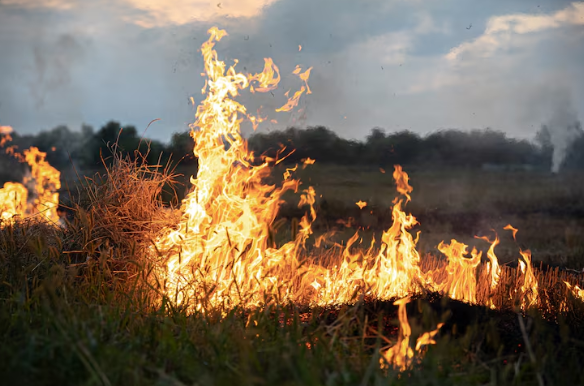
The escalating threat of wildfires has transformed from a localized risk into a significant national concern. As natural disasters grow increasingly destructive, understanding their socioeconomic impacts becomes crucial for both recovery and prevention efforts. Over the past few years, wildfires have devastated communities, ravaging homes, businesses, and ecosystems, resulting in not just environmental devastation but also profound economic distress. In 2026, the focus has shifted toward rebuilding and fortifying these affected areas, harnessing lessons learned to create a resilient future. It is evident that comprehensive strategies—integrating environmental stewardship with community support—are essential in mitigating the long-lasting consequences of these disasters.
Understanding the Socioeconomic Effects of Wildfires
The repercussions of wildfires stretch far beyond the charred landscapes they leave behind. In addition to the obvious physical destruction, wildfires impose substantial economic pressures on communities. These can include:
- Insurance Losses: Homeowners and businesses struggle with claims and may face significant underinsurance.
- Employment Disruptions: Local businesses may close, leading to job losses and economic instability.
- Healthcare Costs: The health impacts from smoke exposure can result in increased medical expenses.
- Infrastructure Damage: Roads, utilities, and essential services may be severely impacted, complicating recovery efforts.
The Role of Community Resilience in Rebuilding
Community resilience plays a pivotal role in the recovery process. Resilient communities can better withstand the shocks of wildfires and bounce back more swiftly. Key factors contributing to resilience include:
- Strong Local Networks: Connections among residents foster support systems for those affected.
- Preparedness Education: Awareness and training can empower individuals to minimize risks.
- Resource Allocation: Effective use of funds can optimize rebuilding efforts and community planning.
- Policy Engagement: Communities participating in policy discussions yield better representation of their needs.
Strategies for Effective Rebuilding After Wildfires
Rebuilding after a wildfire extends beyond just reconstruction; it encompasses creating safer, more sustainable communities. Essential strategies involve:
| Strategy | Description |
|---|---|
| Enhanced Building Codes | Implementing fire-resistant materials and designs to reduce future risk. |
| Ecological Restoration | Restoring habitats to foster biodiversity and natural fire resilience. |
| Investment in Infrastructure | Upgrading utilities and transportation networks to withstand disasters. |
| Community Engagement | Encouraging local input in planning processes to meet specific needs. |
Incorporating these strategies prepares communities not just to recover, but to thrive in a future where wildfire risks are a norm rather than an anomaly. This comprehensive approach acknowledges past mistakes while emphasizing proactive measures, ensuring that the scars of wildfires prompt not just restoration but revitalization.
Mobilizing Resources for Wildfire Recovery
Effective wildfire recovery hinges on the seamless mobilization of resources. Various stakeholders—governments, non-profits, and community organizations—must collaborate to ensure adequate funding and support. Notably, programs designed to aid distressed communities with grant opportunities have become vital. Additionally, tapping into expertise from wildfire management and environmental sciences can enhance recovery efforts. These efforts not only prioritize rebuilding physically but also focus on restoring community morale and cohesion.
As we enhance our understanding of the complexities surrounding wildfires, it is crucial to recognize the shared responsibility among individuals, communities, and institutions. Only through collaborative and innovative approaches can we hope to mitigate the impacts of wildfires and emerge stronger from their aftermath.


