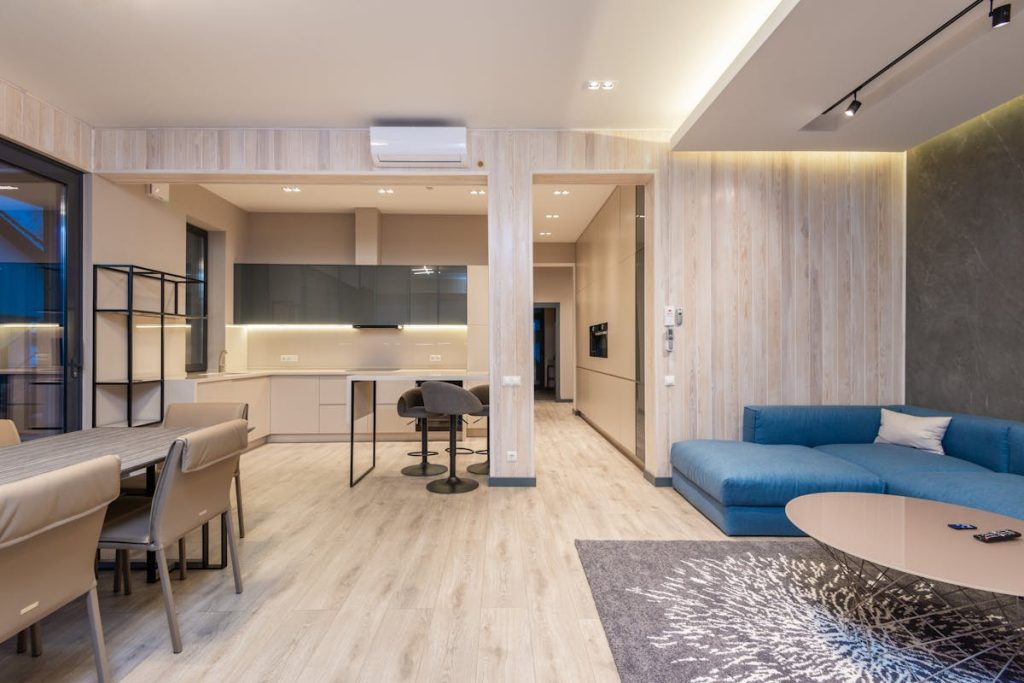
As environmental consciousness rises, choosing materials that enhance our spaces and promote health is increasingly vital. Among these, sustainable solid wood stands out. This eco-friendly option offers significant advantages for creating a healthy indoor environment.
Sustainable Solid Wood: What You Need To Know
Sustainable solid wood originates from forests managed with ecological integrity. This means harvesting timber in ways that preserve biodiversity, maintain ecosystem functions, and ensure forest regeneration. For applications like a flooring project, choosing wood certified by organizations such as the Forest Stewardship Council (FSC Certified Wood) or the Programme for the Endorsement of Forest Certification (PEFC Certified Wood) ensures these responsible forestry practices are met.
Key Benefits for a Healthier Home
One of the most compelling reasons to select sustainable solid wood is its positive impact on indoor air quality. Many conventional building materials, like engineered woods or plastics, can off-gas Volatile Organic Compounds (VOCs). These chemicals contribute to indoor air pollution and can trigger allergies, asthma, or other respiratory issues. In contrast, sustainable solid wood is a natural material with inherently low VOCs. When finished with low-VOC finishes or natural oils, it helps maintain cleaner, healthier air, which is particularly crucial for children, the elderly, and individuals with chemical sensitivities.
Beyond air purity, wood naturally regulates indoor humidity. Its hygroscopic nature means it can absorb excess moisture from the air during humid periods and release it when the air is dry. This buffering effect helps maintain more stable and comfortable humidity levels. Proper humidity regulation not only enhances comfort but also discourages the growth of mold, mildew, and dust mites, all of which can negatively affect respiratory health and exacerbate allergies.
Aesthetics, Well-being, and Biophilic Connection
The visual and tactile qualities of sustainable solid wood significantly contribute to well-being. Its natural warmth, varied grain patterns, and rich textures create inviting and calming atmospheres. This connection to natural materials aligns with principles of biophilic design, which emphasizes the human need to connect with nature. Studies suggest that incorporating natural elements like wood into indoor spaces can reduce stress, lower blood pressure, and improve overall mental health.
The timeless beauty of solid wood also means it transcends fleeting design trends. Furniture, flooring, or architectural features crafted from sustainable solid wood offer lasting appeal and add character to any room. Each piece, with its unique grain, tells a story, fostering a deeper connection to the natural world and enhancing the sense of sanctuary within the home.
Durability, Longevity, and Reduced Environmental Impact
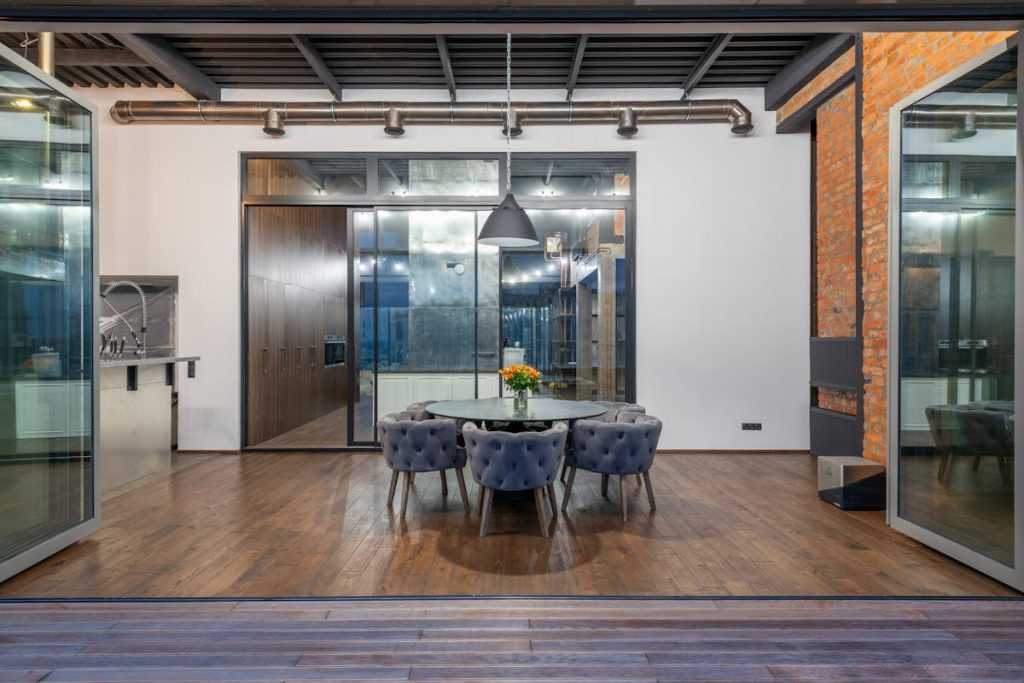
Durability is another hallmark of sustainable solid wood. Well-crafted and properly maintained wooden items can last for decades, even generations. This exceptional longevity means fewer replacements are needed over time, reducing the consumption of resources and the environmental burden associated with manufacturing and disposing of less durable materials. As solid wood ages, it often develops a rich patina, adding to its character and charm rather than diminishing its value.
Choosing sustainable solid wood also reflects a commitment to broader environmental stewardship. Responsible forestry practices ensure that forests remain healthy, biodiverse ecosystems capable of sequestering carbon. When sourced locally, sustainable solid wood can also help reduce the carbon footprint associated with long-distance transportation.
Integrating Sustainable Solid Wood into Your Home
Incorporating sustainable solid wood into your indoor environment can be achieved in numerous ways. Obvious applications include flooring, cabinetry, and furniture such as dining tables, beds, and shelving. Wall paneling, exposed beams, or even smaller decorative accents can also showcase the beauty of wood.
When making these choices, it’s crucial to consider the finishes. Opt for low-VOC finishes, natural oils, or waxes. These treatments protect the wood and enhance its beauty without compromising indoor air quality. Thoughtful selection during the design and furnishing process ensures that the inherent health benefits of the wood are preserved.
The Value Proposition: Health and Home Worth
Investing in sustainable solid wood can also positively influence your home’s market value. As awareness of environmental and health issues grows, homebuyers increasingly seek properties featuring eco-friendly and non-toxic materials. Homes that prioritize sustainability and occupant well-being often command greater appeal and potentially higher resale values. This demonstrates that choosing sustainable solid wood is not just an investment in your current health and comfort, but also a forward-thinking decision for the future.
In conclusion, sustainable solid wood offers a powerful combination of benefits for a healthy indoor environment. Its ability to improve indoor air quality, regulate humidity, enhance aesthetic appeal, and promote psychological well-being makes it an exceptional choice. By opting for responsibly sourced wood, you contribute to forest conservation, support ethical practices, and create a home that truly nurtures.
Looking to improve your indoor space? Choose sustainable solutions from experts like B&J Hardwood Floors. This company uses eco-friendly materials that promote better air quality and long-lasting comfort without compromising on style.
https://www.youtube.com/watch?v=XWo3QnL_YyY