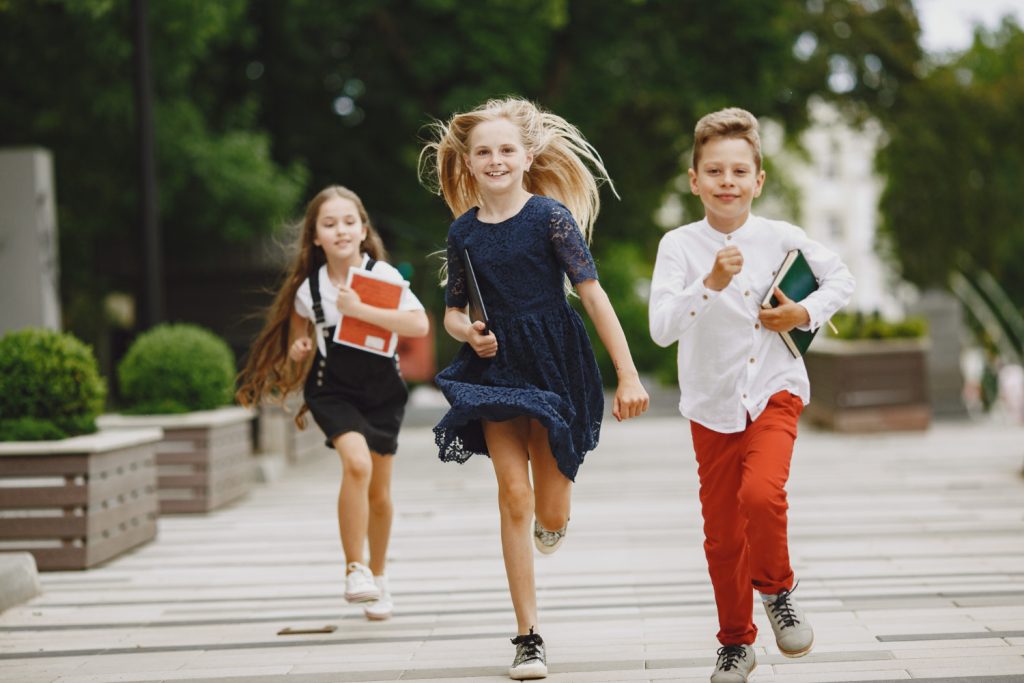
In an era marked by rapid technological evolution and changing educational landscapes, educators face the continuous challenge of maintaining student engagement, both in traditional classroom settings and during school excursions. These excursions offer a prime opportunity for transformative educational experiences, moving beyond the confines of standard lectures and textbooks. This article explores various strategies that can maximize student involvement during school excursions, equipping teachers and facilitators with the tools to enhance students’ learning experiences away from their typical educational environments.
Understanding the Importance of School Excursions for Student Engagement
School excursions hold immense value in shaping a student’s educational experience. Unlike standard lessons delivered in classrooms, outings can bring subjects to life and provide experiential learning opportunities. Through firsthand encounters, students connect theoretical knowledge with practical applications, deepening their understanding and appreciation for various topics.
According to research, students engaged in experiential learning experiences significantly improve their retention of knowledge compared to traditional learning methods. By participating in interactive learning outside the classroom, students are not only exposed to new environments but also encounter real-world problems, encouraging critical thinking and collaboration. The emotional connection students develop with their learning can be enriching and empowering, ultimately contributing to a lifelong love of knowledge.
- Increased Motivation: Excursions spark interest and curiosity, prompting students to engage more actively in their learning.
- Cognitive Skills Development: Real-life applications of theories enhance critical thinking, analysis, and problem-solving skills.
- Social Skill Enhancement: Collaborative tasks during trips help students improve teamwork and communication abilities.
Types of School Excursions: Selecting The Right Educational Trips
Choosing the right type of excursion can determine the level of student engagement achieved during the trip. Here are some popular types of experiences that align with educational goals and facilitate active learning:
| Type of Excursion | Benefits | Subjects Covered |
|---|---|---|
| Museum Visits | Expose students to art, history, and culture, encouraging analytical thinking. | Art, History, Social Studies |
| Science Centers | Hands-on experiences with exhibits stimulate curiosity in scientific concepts. | Science, Technology |
| Nature Trails | Field exploration offers a practical perspective on ecosystems and environmental science. | Biology, Environmental Science |
| Historical Sites | Bringing history to life fosters a deeper understanding of past events and contexts. | History, Social Studies |
| Cultural Festivals | Exposure to diverse cultures promotes respect and appreciation for global communities. | Social Studies, Arts |
Strategies to Enhance Student Engagement During Excursions
Once the ideal excursion type is selected, implementing effective strategies can significantly boost student engagement. Here are a few recommended practices that educators can utilize to create valuable learning experiences during school trips:
1. Pre-Excursion Preparation
Preparation is key to a successful excursion. Engaging students in discussions about what to expect during the trip can build excitement and help set goals for their learning outcomes. Activities such as brainstorming questions, discussing the significance of the venue, or creating a scavenger hunt list of items to look for can stimulate interest.
2. Interactive Group Activities
Facilitating collaborative activities among students during excursions can magnify their engagement levels. Organize students into small groups to work on tasks that require them to utilize their knowledge and skills actively. Such activities could include:
- Conducting interviews with exhibit staff or local historians.
- Completing surveys or worksheets related to their observations.
- Creating presentations or reports based on their findings to share in class.
3. Integration of Technology
Incorporating technology into excursions can enhance the overall learning experience. Tools such as tablets or smartphones equipped with relevant applications empower students to conduct instant research. Virtual tours, augmented reality experiences, and educational games related to the venue can enhance the experiential learning aspect.
Promoting Reflection and Follow-Up Activities
Reflection is crucial in cementing the knowledge gained during excursions. Teachers should encourage students to share their experiences, insights, and lessons learned by creating group discussions or journal entries. Here are some effective follow-up activities:
- Debrief Sessions: Facilitate discussions on what students found most interesting and why. This can promote critical thinking and articulate student voices.
- Visual Projects: Encourage students to create posters or presentations that encapsulate their excursion experiences.
- Integration with Curriculum: Link the excursion to ongoing lessons to reinforce the connections between their experiences and academic content.
Assessing Student Participation and Engagement Outcomes
Effective assessment of student engagement after excursions is essential to determine the success of the experience. Consider the following methods for evaluating student participation and learning outcomes:
| Assessment Method | Description | Benefits |
|---|---|---|
| Surveys and Questionnaires | Collect feedback on students’ experience and perceived value of the excursion. | Identify areas for improvement and gauge student satisfaction. |
| Presentation Evaluations | Assess group presentations based on content knowledge and creativity. | Encourages students to synthesize and reflect on their learning. |
| Journals and Reflections | Task students with maintaining journals during the excursion. | Fosters individual reflection and deeper engagement with the material. |
For schools and educators aiming to further improve the planning and impact of their excursions, StavLink Transit offers dedicated resources and support to help create more engaging and effective learning experiences.