
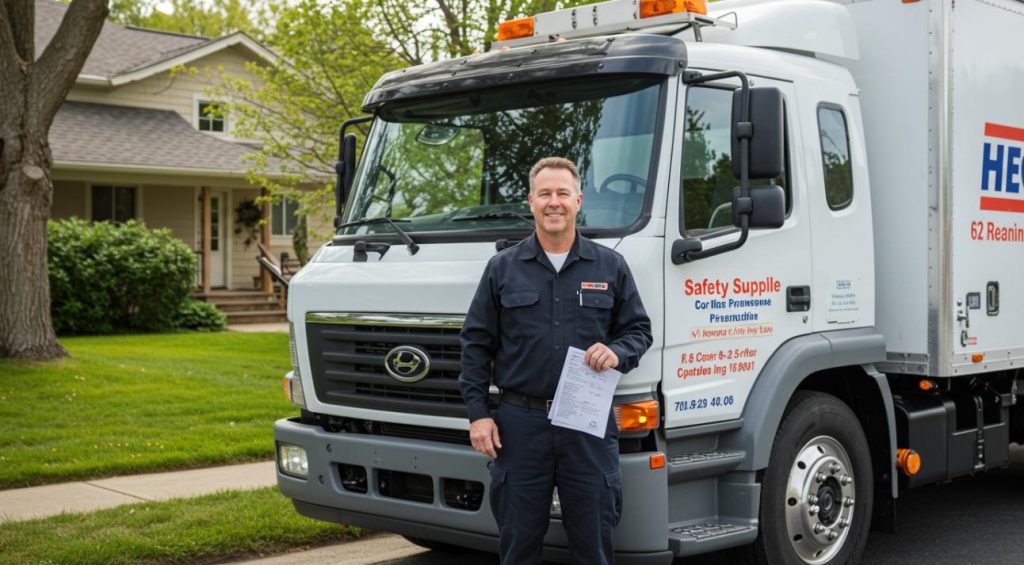
In our collective journey towards a sustainable future, the choices we make regarding energy sources hold immense significance. While renewable energy often takes center stage, transitional fuels like propane offer a compelling pathway to reducing our environmental impact today. Propane, a versatile and readily available energy source, presents numerous advantages over traditional fossil fuels, contributing to cleaner air and a more sustainable energy landscape. Let’s delve into why propane is increasingly recognized as a vital component of a greener future.
Propane Environmental Advantages
Propane stands out as a cleaner-burning alternative to many conventional fuels. Its chemical composition allows for a more complete combustion process, resulting in significantly lower emissions of harmful pollutants.
Lower Greenhouse Gas Emissions Compared to Other Fossil Fuels
When compared to gasoline, diesel, and even some heating oils, propane combustion releases fewer greenhouse gases, including carbon dioxide (CO2). While not entirely carbon-free, its lower carbon intensity makes it a step in the right direction for mitigating climate change. According to the Propane Education & Research Council (PERC), using propane can significantly reduce greenhouse gas emissions in various applications. This makes propane a valuable tool in the transition towards a lower-carbon economy.
Reduced Air Pollutants: A Benefit for Air Quality
Propane combustion produces minimal amounts of particulate matter (PM), sulfur oxides (SOx), and nitrogen oxides (NOx) – major contributors to smog and respiratory problems. This cleaner burning characteristic translates to improved air quality, particularly in densely populated areas where propane is used for heating, cooking, and transportation. Choosing propane over more polluting fuels can have tangible benefits for public health and the environment.
Minimal Spills and Ground Contamination Risks
Unlike liquid fuels such as oil and gasoline, propane is stored and transported as a gas under pressure. This significantly reduces the risk of spills and subsequent soil and groundwater contamination. In the event of a leak, propane vaporizes quickly, minimizing the potential for long-term environmental damage. This inherent safety advantage makes propane a more environmentally secure energy option, especially in sensitive ecological zones.
Diverse Applications of Propane for a Sustainable Lifestyle
Propane’s versatility extends across various sectors, making it a viable sustainable choice for homes, businesses, and transportation.
Residential Use: Heating, Cooking, and Water Heating
In residential settings, propane offers a clean and efficient way to power essential appliances. High-efficiency propane furnaces and water heaters can significantly reduce energy consumption and lower utility bills compared to older, less efficient electric or oil-based systems. Propane stoves and ovens provide precise temperature control for cooking, often preferred by chefs and home cooks alike. The direct use of propane in these applications avoids the energy loss associated with electricity generation and transmission.
Commercial and Industrial Power: Efficiency and Reliability
Businesses and industries are increasingly turning to propane for its reliability and efficiency. Propane-powered generators provide backup power during outages, ensuring business continuity. Forklifts powered by propane produce fewer emissions than their gasoline or diesel counterparts, improving indoor air quality in warehouses and factories. For agricultural applications, propane powers irrigation pumps and crop dryers efficiently. The portability and consistent performance of propane make it a dependable energy source for a wide range of commercial needs.
Propane Autogas: A Cleaner Transportation Fuel
Propane autogas is gaining traction as a cleaner alternative to gasoline and diesel for vehicles. It offers lower emissions of greenhouse gases and air pollutants, contributing to improved air quality in urban areas. Furthermore, propane autogas is often more cost-effective than traditional fuels, offering economic benefits alongside environmental advantages. Fleet operators, school districts, and even individual drivers are recognizing the benefits of switching to propane-powered vehicles.
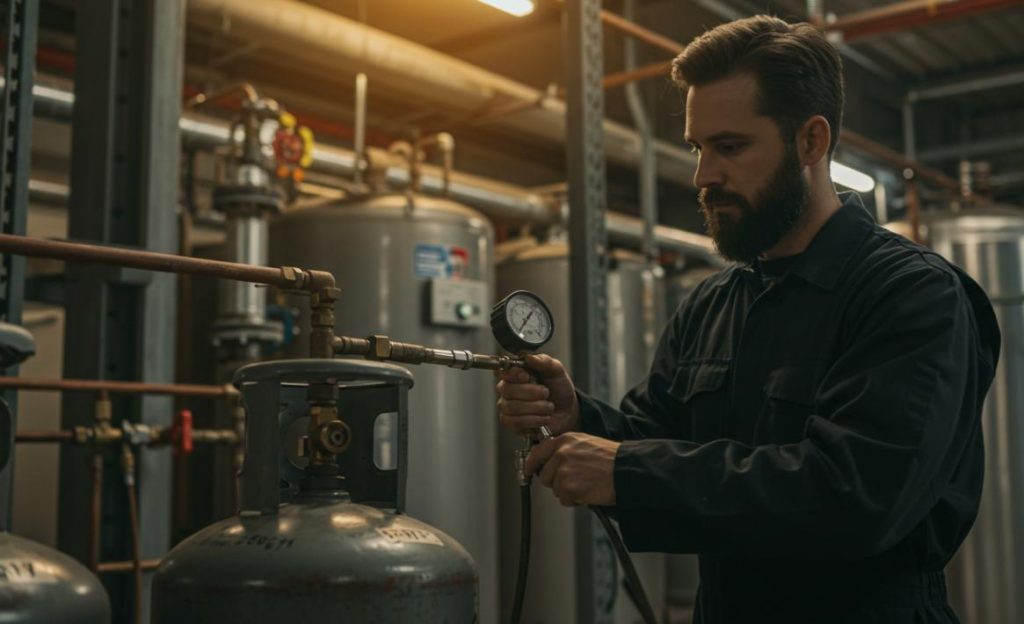
Overcoming Challenges and Embracing a Propane-Powered Future
While propane offers numerous sustainability benefits, some challenges need to be addressed to fully embrace its potential.
Infrastructure Development and Accessibility
Expanding the propane infrastructure, including storage and distribution networks, is crucial to ensure wider accessibility. While propane is already readily available in many areas, further investment in infrastructure will be necessary to support increased adoption. Governments and industry stakeholders can work together to streamline regulations and incentivize the development of propane infrastructure.
Public Perception and Education
Raising public awareness about the environmental benefits and safety of propane is essential. Misconceptions about propane sometimes hinder its wider adoption. Educational initiatives can highlight its clean-burning properties, cost-effectiveness, and safety record, encouraging more consumers and businesses to consider propane as a sustainable energy solution.
Integration with Renewable Energy Sources
The future of sustainable energy likely involves a combination of different sources. Propane can play a complementary role alongside renewable energy technologies like solar and wind. For example, propane generators can provide reliable backup power for homes and businesses relying on intermittent renewable energy. Hybrid systems that integrate propane and renewables can offer a resilient and low-emission energy solution.
In summary, propane offers a tangible and readily available pathway towards a more sustainable future. Its lower emissions, versatility across various applications, and reduced risk of environmental contamination make it a compelling alternative to traditional fossil fuels. While challenges related to infrastructure and public perception need to be addressed, the environmental and economic advantages of propane are undeniable. By embracing propane as a key component of our energy mix, we can take meaningful steps towards cleaner air, reduced greenhouse gas emissions, and a more sustainable world for generations to come.
Are you ready to explore the benefits of propane for your home or business? Propane Gas Miami’s team specializes in providing reliable and clean propane solutions tailored to your specific needs. From residential heating and cooking to commercial and industrial applications, our experienced professionals are here to guide you through the transition to a more sustainable energy source.
https://www.youtube.com/watch?v=7BVohWBpxM4


