

Palletised freight delivery is a critical component in today’s fast-paced shipping logistics, where safety, efficiency, and cost-effectiveness reign supreme. In the ever-evolving landscape of freight delivery, understanding how pallet configuration plays a pivotal role in ensuring transit safety is paramount. Proper palletization not only reduces the risk of damage during transport but also optimizes load stability, enhancing the overall efficiency of warehouse handling and shipping processes. As transport methods advance and the demand for streamlined operations increases, companies must leverage effective pallet configurations that cater to their unique logistical needs.
The Importance of Pallet Configuration in Transit Safety
Pallet configuration refers to the arrangement of products on a pallet, which significantly affects the load stability during shipping. Well-organized pallets help prevent shifting, toppling, and cargo damage. Various factors come into play in determining the most effective configuration, such as the weight distribution of the goods, the shape of the packages, and the stacking method employed. Adopting the right pallet configuration results in safer delivery and substantial savings by minimizing the likelihood of damaged freight.
Common Pallet Configuration Methods
Understanding different stacking patterns is crucial for optimal pallet configurations. Here are some common methods:
- Column Stacking: This method involves stacking boxes directly on top of one another, maintaining the same footprint. It offers maximum strength and is ideal for lighter products.
- Brick Stacking: A traditional format where each layer alternates box positions to create an interlocking effect, providing greater stability.
- Interlocking Stacking: This approach uses various box outlines to ensure that each item is supported by multiple layers, enhancing stability further.
Effects of Palletization on Load Distribution
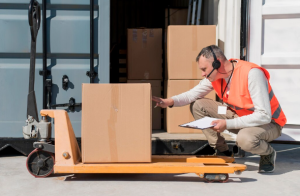
Effective palletization directly impacts load distribution, which is essential for preventing accidents during transport. An improperly balanced load can lead to accidents or injuries during handling. Therefore, understanding how to allocate weight on a pallet is critical for maintaining safety throughout the transit process. In 2026, achieving balance will become increasingly important due to stringent safety regulations and the growing focus on worker safety across the logistics sector.
Strategies for Optimal Load Distribution
Achieving efficient load distribution on pallets can be accomplished through various strategies:
- Uniform Weight Distribution: Ensuring that the weight of the freight is evenly distributed across the pallet helps maintain balance.
- Heavy Items on the Bottom: Placing heavier products at the base creates a solid foundation, reducing the risk of toppling during transit.
- Filling Gaps: All spaces between boxes should be filled to prevent movement that could endanger the load during transport.
Cargo Securing Techniques for Enhanced Safety
Once the pallets are loaded optimally, securing the cargo is the next crucial step to ensure its safety during transport. Techniques for cargo securing include wrapping the load with stretch film or using strapping methods to bind the items effectively. In 2026, investing in advanced securing materials that adapt to varying cargo types will be a key trend, allowing greater flexibility and reliability.
| Securing Method | Advantages | Best Use Cases |
|---|---|---|
| Stretch Film | Cost-effective & adaptable | Various freight types |
| Strapping | Strong load stability | Heavy items |
| Shrink Wrapping | Moisture protection | Perishable goods |
Conclusion on Transit Safety and Efficiency
The interrelation between pallet configuration and transit safety cannot be understated. In a world where logistics are evolving and becoming more complex, companies must prioritize strategies that enhance both transit safety and transport efficiency. Proper palletization not only aids in maintaining the integrity of shipments but also supports sustainable practices within the warehousing sector. As we progress through 2026, the emphasis on innovative solutions, coupled with a commitment to safety, will drive improvements in palletised freight delivery that ensure seamless shipping logistics for all involved.
For businesses looking to optimize their freight processes, consider exploring the offerings of Abbott’s Transport Solutions, which can enhance your logistics experience through innovative palletization solutions.


