
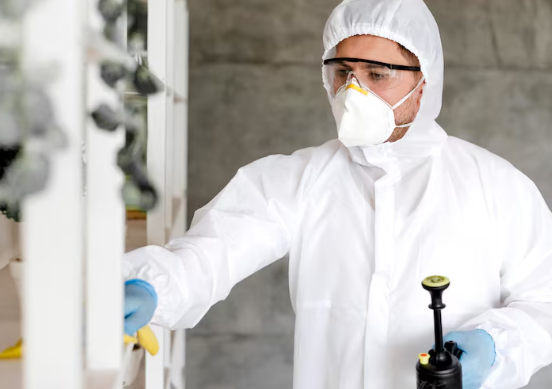
The presence of mold in homes is a growing concern not only for aesthetics but also for health. In 2026, the imperative to ensure safe indoor environments has never been more pressing. Mold, while often hidden, can lead to serious health risks especially for individuals with allergies or respiratory issues. Effective mold remediation is critical, but how can homeowners be certain that their living spaces are truly free from dangerous spores? In this article, we delve into the nuanced world of mold inspection services, focusing on the vital difference between surface testing and air sampling methods. Understanding these differences can make all the difference in creating a safe, mold-free indoor environment.
Understanding Mold Inspection: Methodologies and Importance
Mold inspection encompasses a variety of testing methodologies aimed at identifying and quantifying mold growth. Among these methods, surface testing and air sampling stand out as two of the most commonly employed techniques. Each has its own strengths, and knowing when to use which can influence the overall assessment of a property.
Surface Testing: When and Why It Matters
Surface testing involves the direct collection of samples from areas likely to harbor mold, often through techniques such as swabbing or tape lifting. This method is particularly effective when visual mold growth is apparent, allowing inspectors to directly assess contamination on surfaces. Its primary function is to identify the type of mold present and assess the viability of its spores.
- Accurate Identification: Provides precise information on the mold species.
- Cost-Effectiveness: Generally cheaper compared to air sampling.
- Simplicity: Easy to implement with minimal equipment.
However, surface testing is inherently limited. It can only reflect conditions at the sampled location, missing potential airborne mold spores that have not settled on surfaces. Thus, while it provides concrete evidence of visible mold, it leaves a gap in understanding overall indoor air quality.
The Role of Air Sampling in Mold Inspection
Air sampling is a crucial method for identifying hidden mold problems that surface testing might miss. This technique collects airborne spores, providing a dynamic snapshot of the indoor air quality. Typically, air samples are taken using a device that draws air through a trap or cassette for a set duration.
Advantages of Air Sampling: A Broader Perspective
One key advantage of air sampling is its ability to reveal hidden mold sources, especially those located behind walls or under flooring. This method is often employed when occupants report health issues or musty odors but no visible signs of mold are found.
| Method | Best For | Data Collected | Limitations |
|---|---|---|---|
| Surface Testing | Visible contamination | Mold species and spore levels on surfaces | No insight into airborne spores |
| Air Sampling | Hidden contamination | Airborne spore concentration | Snapshot dependent on current air conditions |
While air sampling is generally more expensive than surface testing and only offers a snapshot of air quality at a specific moment, its ability to detect mold that isn’t immediately visible makes it indispensable for comprehensive mold assessments.
Surface vs. Air Sampling: Making the Right Choice
Choosing between surface testing and air sampling largely depends on the individual circumstances at hand. If visible mold is present, surface testing is the logical first step. In contrast, if health concerns arise without visible indications, air sampling provides critical insights into potential hidden contamination.
Combining Approaches for Accurate Results
In many cases, employing both methods may yield the most reliable results. For instance, during a post-remediation assessment, surface testing can confirm that affected areas are clear, while air sampling can verify that airborne spores are at acceptable levels.
Ultimately, the most effective mold inspection strategy will incorporate multiple methodologies tailored to the specific challenges posed by a property. By understanding the strengths and limitations of both surface testing and air sampling, homeowners can make informed decisions that protect their health and property.
For comprehensive mold inspection services that utilize both methods effectively, consider partnering with experienced professionals who can guide you through the process of ensuring your home is safe and mold-free.


