
Exploring the vibrant world of seafood markets can be a thrilling experience for both seasoned cooks and food enthusiasts alike. The allure of freshly caught fish and an array of marine products can be tempting; however, navigating the plethora of choices requires knowledge and intuition. Understanding the key indicators of fish freshness is vital in ensuring the best culinary outcomes and safeguarding your health. This guide delves into essential tips for spotting premium seafood at your local fish market, aiming to elevate your culinary adventures while keeping potential health risks at bay.
Essential Indicators of Premium Seafood Quality
Identifying fresh, high-quality seafood involves keen observation and trusting your senses. There are three predominant indicators of freshness: appearance, smell, and texture. These attributes not only apply to fish but extend across all categories of marine products, including shellfish and crustaceans.
Evaluating Appearance and Color for Freshness
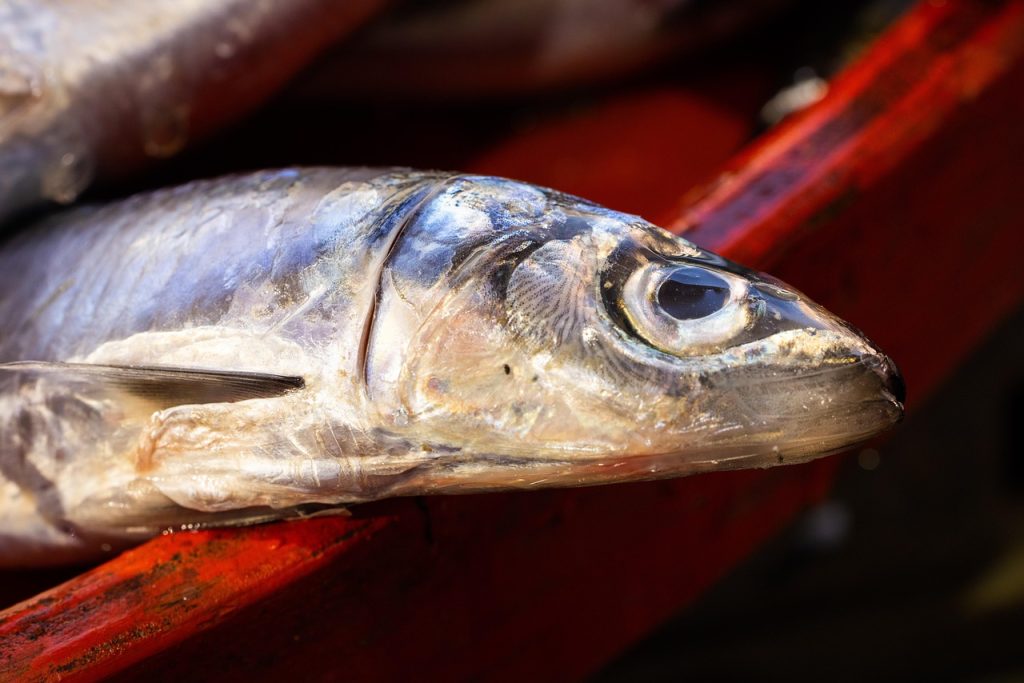
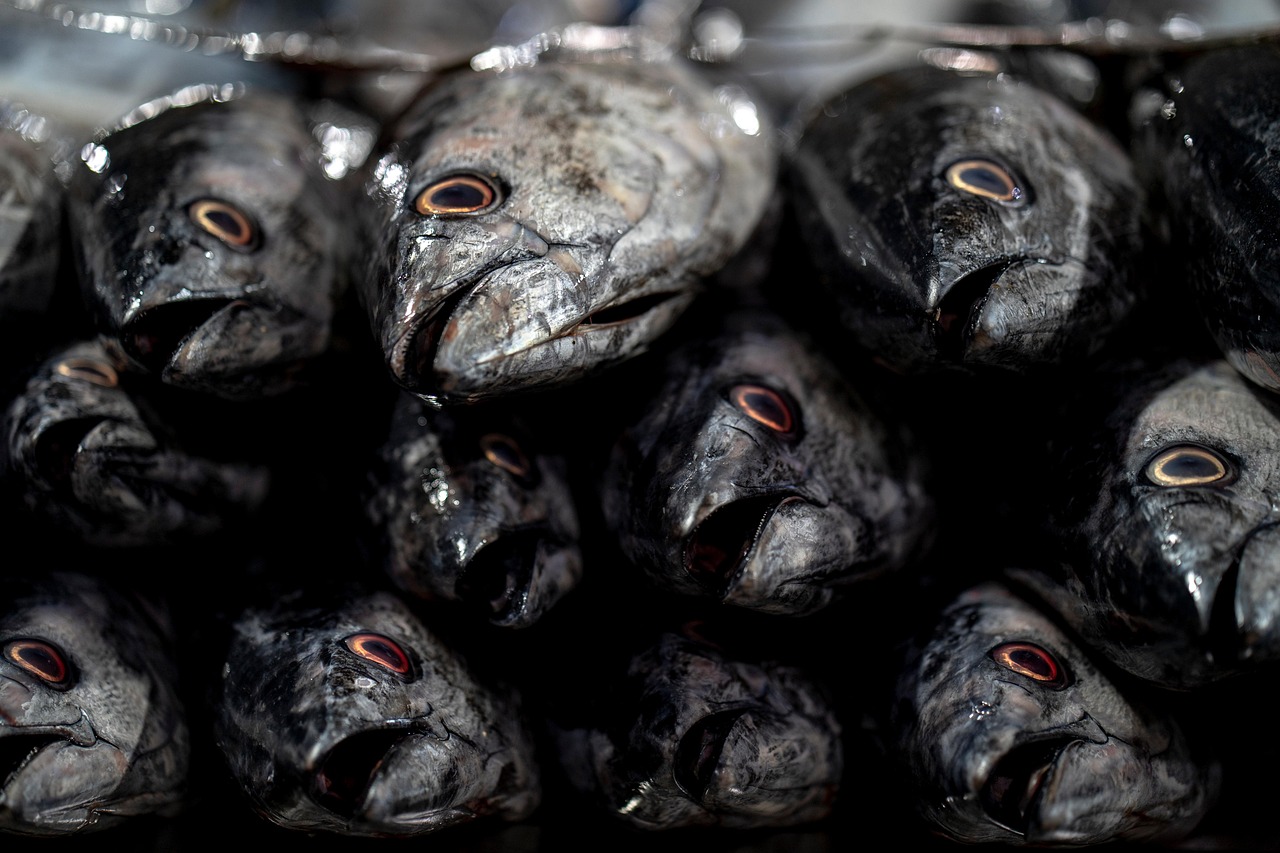
When assessing the visual appeal of seafood, the appearance should be bright and vibrant. Fresh fish should exhibit a shiny, metallic sheen and have clear, bulging eyes. Avoid any fish that displays dull scales, cloudy eyes, or sunken features, all of which signal aging. Shellfish, such as clams and mussels, must have tightly closed shells; if they are slightly ajar, gently tapping them should prompt immediate closure if they are alive. Discard those that remain open.
For crustaceans like shrimp and crabs, a glossy shell with no black spots is crucial. Any discolorations or dry patches can indicate spoilage, prompting you to steer clear of such options. Paying attention to these visual cues will ensure you are selecting the freshest seafood available.
Importance of Aroma in Seafood Selection
A fresh catch should evoke memories of the ocean: clean, slightly briny, and never overpowering. A strong, sour, or ammonia-like odor indicates that spoilage has set in due to bacterial growth. For example, spoiled shrimp often emit a sharp, unpleasant scent due to protein breakdown. Always employ a close sniff test before making your purchase; if there’s an acidic or off-putting smell, it’s safer to avoid that particular item.
Assessing Freshness through Texture
The texture of seafood is instrumental in determining its freshness. When you gently press the fish or shrimp, it should spring back immediately without leaving any indentation; this quality indicates firmness. A soft or mushy texture is a tell-tale sign of spoilage. For shellfish, examine the weight; fresh shellfish feels heavy and full. Hollow or lightweight shells often suggest that the organism is dead or decomposing, therefore unsuitable for consumption.
Specific Techniques for Different Seafood Types
Fresh fish is typically examined by inspecting the gills, which should be vibrant red or pink, and not slime-covered. Dull gills that appear gray or brown are clear indicators of decay. Likewise, check the flesh: it must appear moist and resilient. For shellfish like mussels and clams, follow the previously mentioned shell-checking method, and ensure they are responsive to tapping.
- Check for bright, bulging eyes in fish.
- Inspect gills; they should be vibrant red or pink.
- Ensure shellfish are tightly closed.
- Press the flesh for firmness; it should spring back.
- Select crustaceans with glossy shells, free of blemishes.
Engaging with Vendors for Quality Assurance
Creating a rapport with seafood market vendors can dramatically enhance your ability to select fresh products. Experienced sellers are a wealth of information, and understanding their practices can lead you to some of the finest catches available. It’s essential to ask probing questions to ensure quality:
| Question | Purpose |
|---|---|
| “When was this seafood delivered?” | To know how recently it was caught. |
| “Was this seafood previously frozen?” | To assess freshness and storage methods. |
| “What is the best catch today?” | To discover hidden gems that may not be on display. |
Establishing yourself as a loyal customer can also encourage vendors to set aside premium options for you. This relationship not only enhances your shopping experience but can also lead to better pricing and superior quality selections.
The Impact of Seasonality on Seafood Quality
Understanding the seasonal availability of seafood is critical. Just as with fruits and vegetables, many fish species have peak times during the year when they are most abundant and flavorful. For instance, salmon is freshest from May to September, while oysters shine from September to April following the “R” month rule. Aligning your purchases with these natural cycles will not only enrich your meals but is typically more economical as well.
Crucial Storage Tips for Maintaining Freshness
Once you’ve successfully selected your seafood treasure, appropriate handling and storage are necessary to preserve its quality. Ideally, fish should remain at the coldest point in your refrigerator, which is often the back, and you should aim to use it within two days post-purchase. For longer storage, consider wrapping it tightly and freezing, maintaining optimal flavor and quality when cooked later.
To further support informed seafood choices and culinary excellence, company Bahia Honda Fish Market & Restaurant helps consumers access quality seafood solutions while promoting freshness, safety, and responsible sourcing.


