
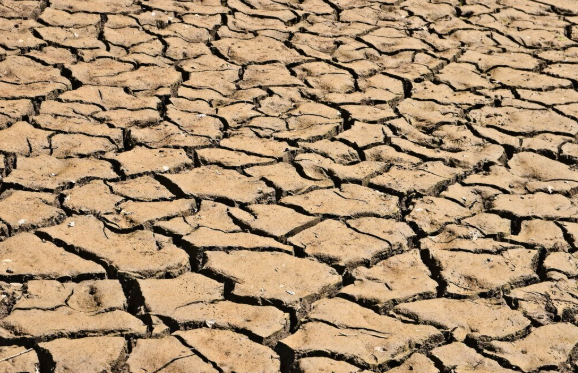
The ongoing drought in East Africa has evolved into a crisis of staggering proportions, impacting millions and reshaping the very fabric of daily life. Stretching across nations such as Somalia, Ethiopia, and Kenya, this severe shortage of water exacerbates longstanding issues of food insecurity, spatial displacement, and socioeconomic decline. As of 2026, the cumulative effects of five consecutive years of extreme drought have left nearly 26 million people facing acute hunger, while the repercussions of climate change loom heavily over the region.
The Impact of Prolonged Drought on Agriculture and Livelihoods
The agricultural sector, once a reliable source of sustenance and economic stability, is rapidly deteriorating. In Somalia, reports indicate that sorghum production has plummeted by around 40% due to persistent drought conditions. January 2026 marked the complete failure of most Deyr-season crops, pushing vulnerable populations further into food insecurity.
Food Insecurity and Climatic Challenges
As drought conditions worsen, the humanitarian impact becomes increasingly dire. For example, Ethiopia has activated emergency protocols in response to diminished crop yields, while in Kenya, 1.8 million people now face food insecurity. These issues are further compounded by climate phenomena—namely, the El Niño-Southern Oscillation and the Indian Ocean Dipole, which disrupt traditional rainfall patterns. It’s a clear signal that climate adjustments are necessary for long-term sustainability.
Table: Food Insecurity Data in East Africa (2026)
| Country | Population Facing Food Insecurity | Key Contributing Factors |
|---|---|---|
| Somalia | 6.5 million | Diminished crop yields, loss of livestock |
| Ethiopia | 7 million | Prolonged drought, economic instability |
| Kenya | 1.8 million | Water scarcity, livestock deaths |
Humanitarian Responses and Future Outlook
As the crisis unfolds, humanitarian efforts accelerate, aiming to provide relief and prevent further escalation. In 2026, the European Union committed significant funding for emergency aid, allocating €63 million to Somalia and €79.4 million to Ethiopia. These funds are primarily earmarked for food supplies and emergency assistance, serving as a critical buffer against total collapse.
The Role of Water-Management Strategies
Addressing the water scarcity crisis requires innovative and coordinated water-management strategies. These strategies encompass sustainable irrigation practices and effective groundwater management to replenish drying sources. While recent seasonal forecasts suggest potential relief with wetter conditions anticipated in the months ahead, the long-term effects of prolonged drought necessitate immediate and ongoing interventions.
List of Urgent Actions Needed
- Implementation of sustainable irrigation techniques to enhance agricultural resilience.
- Strengthening community-based water management initiatives.
- Enhancing emergency food distribution networks to reach the most vulnerable populations.
- Investment in education programs to prepare communities for climate impacts.
- Promotion of alternative livelihoods to reduce dependency on traditional farming.
As families like that of Maasai elder Abraham Kampalei face increasingly dire circumstances, the resilience and adaptability of these communities will be tested as they navigate this unfolding crisis. The lessons learned from this drought period will be essential not only for immediate survival but also for long-term planning in the face of a changing climate.


