
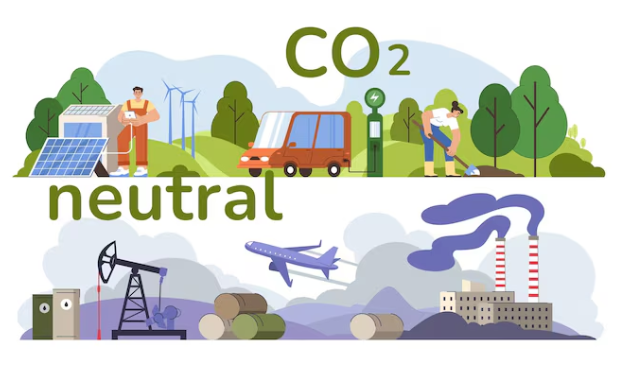
The quest for carbon neutrality has transcended mere corporate responsibility; it stands as a vital element in the global fight against climate change. Businesses are increasingly recognizing the urgent requirement for delivering sustainable products and services, extending their environmental commitments across entire supply chains rather than isolating individual operations. In a world where emissions often stem from a plethora of sources—from raw material extraction and transportation to packaging and distribution—the holistic approach presents an opportunity to tackle the most considerable contributors to greenhouse gases. As we move forward in 2026, the urgency to implement carbon-neutral strategies throughout the supply chain becomes exceptionally pronounced.
The Importance of a Comprehensive Approach to Carbon Neutrality
Focusing exclusively on controlled operations limits the potential for substantial carbon reduction. Emissions in supply chains can arise from various activities, such as transportation, logistics, and waste management. Achieving carbon neutrality entails a thorough understanding of the entire supply chain—identifying hotspots and inefficiencies that contribute to emissions. Acting on this data offers opportunities for strategic improvements that can yield significant savings, both environmentally and economically.
Identifying Supply Chain Emission Sources
To adopt a successful carbon-neutral strategy, businesses must first identify where their emissions originate. The following process can help:
- Catalog operations: Map out every stage of your supply chain, from raw material sourcing to product delivery.
- Quantify emissions: Utilize tools and methods to measure carbon output at each step.
- Engage suppliers: Work collaboratively with vendors to understand and minimize their emissions.
- Consider logistics: Review transport methods and packaging to find greener alternatives.
- Evaluate end-of-life strategies: Encourage recycling and product reuse to reduce waste.
Implementing Sustainable Practices Across Supply Chains
Transitioning toward carbon neutrality requires actionable steps that can be integrated across the supply chain. Innovative strategies are increasingly coming to the fore, driven largely by technological advancements.
The Role of Technology in Reducing Supply Chain Emissions
Integration of disruptive technologies can lead to significant emission reductions:
- Blockchain: Enhance transparency and traceability of emissions across supply chains, ensuring compliance and ethical sourcing.
- AI and analytics: Leverage data to identify inefficiencies and streamline processes, minimizing waste and optimizing logistics.
- Smart logistics: Implement systems to monitor vehicle emissions and optimize routes to lower fuel consumption.
Benefits of a Carbon-Neutral Framework
The advantages of embracing a carbon-neutral supply chain extend far beyond mere compliance:
| Benefits | Description |
|---|---|
| Cost Savings | Reducing waste and optimizing resource use can lead to substantial financial savings. |
| Enhanced Brand Value | Companies committed to sustainability are often viewed more favorably by consumers, enhancing brand loyalty. |
| Regulatory Compliance | As environmental regulations tighten, proactive measures can ease compliance burdens. |
| Competitive Advantage | Adopting green practices can differentiate a company in a crowded market. |
Engaging Employees and Stakeholders
Successful implementation of carbon-neutral practices transcends operational adjustments; it also demands a cultural shift within the organization. Engaging employees at all levels can significantly impact how sustainability goals are prioritized. Awareness campaigns, training, and incentivizing green practices cultivate a shared commitment to reducing the company’s carbon footprint.
Creating a Culture of Sustainability
Strategies to engage employees effectively include:
- Training programs: Offer continual education on sustainability practices and the importance of carbon neutrality.
- Workshops: Facilitate brainstorming sessions focusing on innovative ways to reduce emissions.
- Monitoring and Feedback: Establish clear metrics for employee contributions to sustainability goals and encourage input on improvement efforts.
In today’s climate-conscious landscape, achieving carbon neutrality isn’t merely a trend; it is an essential step toward safeguarding the planet’s future. Acknowledging that carbon impact doesn’t exist in isolation, companies must commit to addressing their entire supply chain. By integrating innovative technologies and nurturing a culture of environmental responsibility, businesses can significantly contribute to a sustainable future.


