
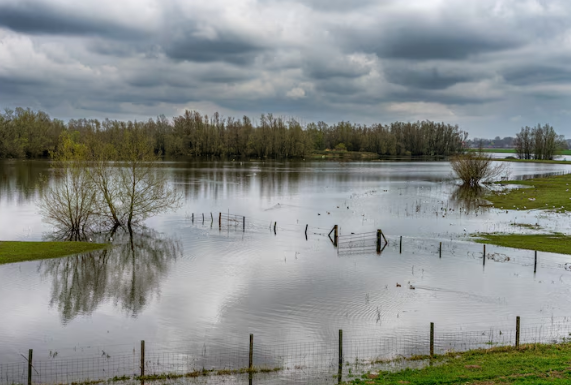
In a world fraught with escalating climatic uncertainties, the specter of floods looms ever larger, threatening both lives and livelihoods. Recent analyses indicate that global flood losses currently amount to around USD 90 billion annually, a figure projected to leap to staggering heights of USD 600 billion by 2050. Climate change, rapid urbanization, and socioeconomic developments exacerbate these risks, especially in low- and middle-income regions. As communities grapple with these daunting realities, an emergent trend is reshaping the landscape of disaster response: the power of citizen solidarity. This movement transcends beyond mere survival instincts, encapsulating the essence of community resilience, where collective action becomes a pivotal strategy for adaptation and recovery.
Understanding Citizen Solidarity in Flood Resilience
Citizen solidarity during flood events often emerges as a dynamic response mechanism. Local volunteers form networks that facilitate critical information sharing and resource allocation during crises. The essence lies in the shared experiences and collective memory of past disasters, which propel communities to unite and respond effectively.
The Role of Social Capital
Emerging research underscores the significance of social capital—the networks, relationships, and trust that bind communities together. Strong social ties enable communities to mobilize resources quickly and efficiently. For instance, formal groups often play a pivotal role in disseminating disaster risk reduction knowledge, which is crucial during flooding events. Initiatives like community savings groups not only provide financial support in times of crisis but also foster trust and mutual support among members. Consequently, the resilience of these networks directly correlates with their ability to manage and recover from disasters effectively.
- Collective Action: Encouraging participation in preparedness activities.
- Information Sharing: Disseminating vital updates about flood conditions.
- Emotional Support: Providing psychological assistance to affected individuals.
Leveraging Human and Financial Capital
Effective flood management also taps into human and financial capitals. Human capital encompasses the skills, education, and health of community members. Enhanced training in disaster risk management equips individuals with the knowledge necessary for effective decision-making during emergencies. Conversely, financial capital allows for investments in preparedness and recovery efforts, reducing long-term vulnerabilities.
Cash for Recovery Programs
Programs that empower communities through cash provisions create opportunities for local investment in infrastructure and essential services. For example, deploying cash-based initiatives can streamline restoration processes, allowing impacted families to rebuild homes or maintain livelihood activities promptly. This not only aids recovery efforts but also sustains the economic fabric of communities at risk.
Navigating Physical and Natural Capital
Further, the role of physical capital, which includes infrastructure and protective mechanisms, cannot be understated. The establishment of early warning systems and flood defenses directly saves lives and reduces economic damages. Investment in natural capital, such as sustainable land use practices, also plays a critical role in safeguarding communities from future flood impacts by enhancing ecosystem services that regulate water flow and manage stormwater effectively.
Nature-Based Solutions
Nature-based solutions, such as restoring wetlands and reforesting riverbanks, can significantly diminish flood intensity. These practices not only enhance the resilience of communities against flooding but also contribute to the broader goal of climate adaptation, showing that ecological and community health are intertwined.
The Path Forward: Integrated Approaches to Building Resilience
As we survey the landscape of flood risks, the roadmap ahead demands innovative and integrated approaches that capture the interactions among various types of capital. Collaboration between citizens, governments, NGOs, and private sectors can yield a harmonious strategy for flood resilience. This multidimensional framework acknowledges that community resilience is not merely about individual preparedness but collective strength, underpinned by robust networks of support.
Investing in a holistic understanding of community dynamics unveils pathways to not just enduring floods but thriving amidst such adversities. Therefore, prioritizing citizen solidarity emerges not just as an option but as a fundamental requirement for an effective response to future flooding events.
| Type of Capital | Role in Resilience | Examples |
|---|---|---|
| Social Capital | Facilitates coordination and support | Community organizations, mutual aid groups |
| Human Capital | Provides skills and knowledge | Disaster training workshops, education programs |
| Financial Capital | Enables preparedness and recovery efforts | Microfinancing initiatives, cash transfer programs |
| Physical Capital | Critical infrastructure for safety | Flood defenses, emergency shelters |
| Natural Capital | Enhances ecosystem resilience | Wetland restoration projects, reforestation |
Conclusion on the Imperative of Collective Action
The age-old adage that “unity is strength” finds new meaning in the context of flood resilience. As communities face increasingly volatile weather patterns, the call for citizen solidarity becomes paramount. Through integrated approaches that harness the potential of various capital types, communities can not only prepare for the inevitability of floods but can also evolve into resilient entities capable of thriving amid uncertainty.


