Every year, millions of Americans take their driving test, a crucial step toward obtaining their driver’s license and gaining independence. However, many fall short due to common mistakes that could easily be avoided with the right preparation and knowledge. Understanding the most frequent errors and learning how to steer clear of them will not only boost confidence but also ensure a smoother transition into the realm of safe driving. From minor oversights to significant miscalculations, the journey to passing the driving test requires diligence and practice. This article explores essential driving tips and the main pitfalls that applicants face, providing guidance that can lead to successful road tests.
Understanding Common Fails on the Driving Test
It’s vital to recognize the most frequent errors made during driving tests. These common fails usually stem from nervousness, lack of experience, or simply overlooking crucial driving habits. To better prepare for the road test, it’s essential to identify these pitfalls and understand how to avoid them. Here are some key mistakes that often lead to automatic failures:
- Failing to Fasten Seatbelt: This is not just a common mistake, but also the most fundamental requirement. Examiners expect every passenger in the vehicle to be buckled up before the vehicle starts moving. Forgetting to do so will result in an immediate fail.
- Incomplete Stops: Rolling through stop signs without making a complete stop is illegal and will certainly get you marked down. Always ensure your vehicle comes to a total standstill at every stop sign.
- Excessive Speeding: Nervousness can lead some drivers to speed, which is a clear violation of driving regulations. It’s essential to observe posted speed limits carefully.
- Poor Vehicle Control: Issues like harsh braking or understeering can indicate a lack of control over the vehicle. Proper and confident handling is crucial during the test.
By acknowledging these common fails, candidates can focus their practice on avoiding them. Integration of safe driving habits into daily routines can fortify the necessary skills for passing the road test.

Preparation Strategies for Success
Comprehensive preparation is the cornerstone of success in any driving test. A structured approach that includes both practical and theoretical understanding of driving can significantly enhance performance. Here are some effective strategies to consider:
Knowledge of Road Signs
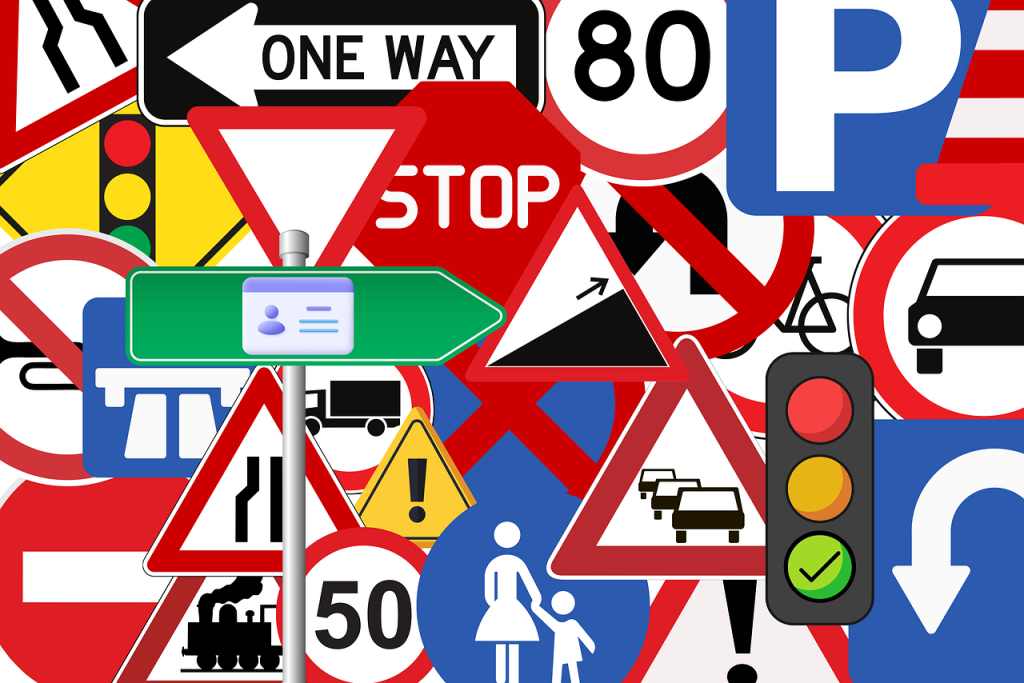
Understanding the meaning of various road signs is paramount. During the driving test, examiners evaluate more than your physical ability to operate a car; they also want to ensure that you are aware of the rules of the road. Familiarize yourself with:
- Regulatory signs (stop, yield, no parking)
- Warning signs (curves ahead, pedestrian crossings)
- Guide signs (exit signs, distance markers)
By studying road signs, you not only prepare for the test but also lay the groundwork for safe driving practices in the future.
Practice Driving in Different Conditions
Exposure to various driving conditions (night driving, rain, and heavy traffic) can bolster your confidence. It’s essential to practice maneuvering skills in diverse situations.
Consider creating a “test checklist” that includes:
- Indicating lane changes
- Safe merging techniques
- Proper use of mirrors
Driving in different environments will enhance your adaptability and prepare you for what the examiner may require.
Essential Driving Tips for the Day of the Test
On the day of the driving test, nerves can be overwhelming. Employing effective driving tips can make a significant difference. Keep the following in mind:
Relax and Take Your Time
It’s crucial to approach the test with a calm mindset. Stress often leads to mistakes. Remember that the examiner is there to assess your ability, not to catch you out. Take deep breaths, and don’t rush through the test.
Check Your Vehicle
Before heading to the test center, ensure your vehicle is in prime condition. Key points to check include:
| Components | What to Check |
|---|---|
| Brakes | Make sure they respond well and are not spongy. |
| Mirrors | Position them correctly for optimal visibility. |
| Lights | Ensure all lights, including turn signals, are functioning. |
| Tires | Check for adequate pressure and tread depth. |
Addressing potential car failures ahead of your test will help avoid last-minute complications.
For more information on enhancing your driving skills, feel free to check out this useful resource that offers insights into safe driving practices.