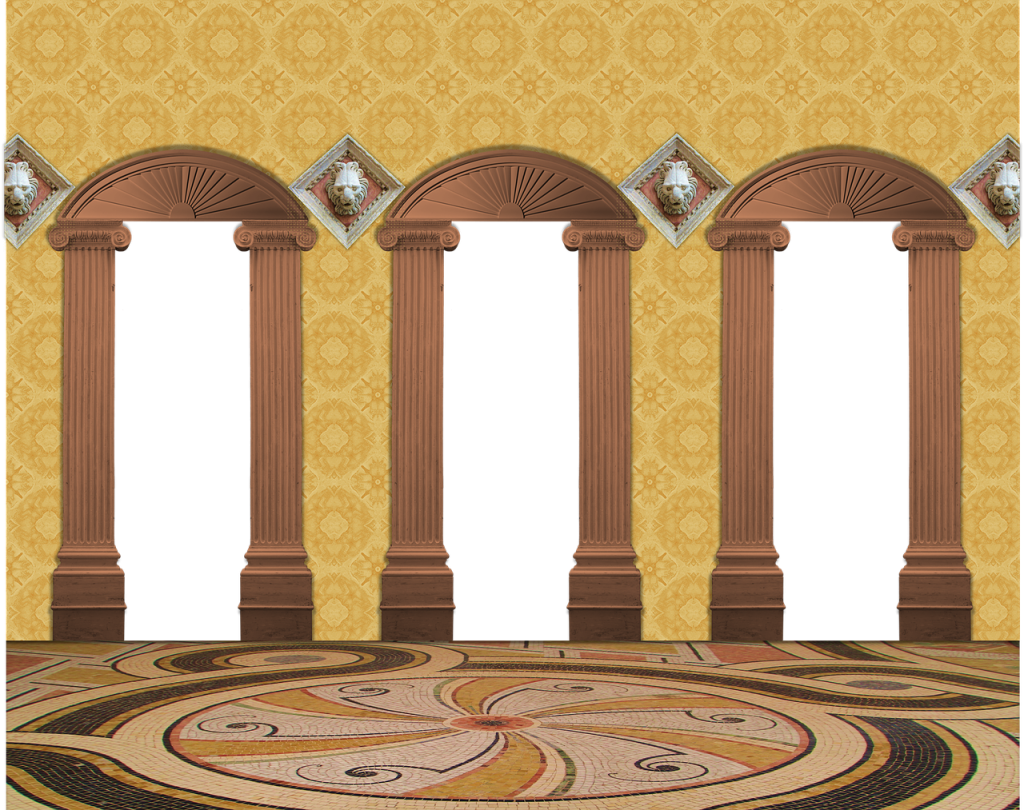
Decorative molding serves as a versatile focal point in contemporary home design, infusing interiors with personality, depth, and sophistication. It transforms plain walls into dynamic canvases, adding architectural interest and charm that enhances the overall aesthetic of any space. With a variety of styles to choose from, homeowners can customize their interiors, achieving everything from classic elegance to modern simplicity. As we explore the essentials of decorative molding, we will delve into its types, materials, installation techniques, design applications, and maintenance strategies, ensuring that your home resonates with your personal style while achieving its maximum potential.
The Remarkable Range of Decorative Molding Types
In the realm of interior design, decorative molding encompasses a variety of styles and applications. Each type serves not just a functional purpose, but also adds a unique aesthetic element to a room. Understanding these types is pivotal in making informed decisions about home improvement projects.
Exploring Different Molding Styles
Here are several key types of molding commonly used in residential settings:
- Crown Molding: Typically installed at the junction of walls and ceilings, crown molding enhances the architectural elegance of a room. It can create the illusion of higher ceilings and adds a polished finish to any space.
- Chair Rail: This horizontal strip is placed around 30-36 inches off the ground, originally designed to protect walls from chair backs. Today, it’s often used to divide wall colors or patterns, serving purely a decorative purpose.
- Baseboards: Running along the bottom of the wall, baseboards cover the gap between the wall and flooring, protecting both from damage. They also contribute to the room’s visual framing and can elevate its style significantly.
- Wainscoting: Typically covering the lower portion of the wall, wainscoting combines several types of molding to create texture and depth while offering practical protection for walls against wear and tear.
- Picture Frame Molding: Used to mimic the appearance of framed artwork on the walls, this molding adds sophisticated depth without a full commitment to paneled walls. It can enhance any room with vibrant creativity.
Functional Advantages of Molding
The benefits of decorative molding extend beyond mere aesthetics. Here are several practical advantages:
- Architectural Enhancement: Molding introduces intricate details that can elevate even the simplest interior spaces, transforming them into visually compelling environments.
- Room Dimension Manipulation: The strategic placement of molding can create visual illusions, making a room appear taller, wider, or more proportionate.
- Character and Warmth: By adding varied textures and profiles, molding infuses character into rooms, providing warmth and an engaging atmosphere.
The utilization of these diverse types of decorative molding can significantly affect the overall impact of a space, suggesting the importance of thoughtful selection in design projects.
Materials Commonly Used in Decorative Molding
The choice of materials significantly influences the aesthetic appeal and practical functionality of moldings. Various materials provide unique advantages and aesthetic qualities, impacting the quality of finish work in your DIY home projects.
Wood: The Timeless Classic
Wood remains the traditional choice for molding, offering a natural warmth and durability that is highly sought after. Popular options include:
- Pine: Affordable and lightweight, pine is easy to work with and absorbs paint and stain well, matching various interior styles.
- Poplar: Slightly more expensive than pine, poplar provides a finer finish and works beautifully as a paintable surface due to its uniform surface and minimal knots.
Despite its beauty, wood requires maintenance and can be sensitive to moisture, leading to potential warping or cracking over time.
MDF: The Modern Alternative
Medium-Density Fiberboard (MDF) has grown increasingly popular due to its smooth finish and cost-effectiveness. Its advantages include:
- Cost-Effective: MDF is often less expensive than solid wood, making it an attractive option for budget-conscious homeowners.
- Sculpted Designs: It can be easily shaped into intricate designs, allowing for decorative wall molding that mirrors classic wood styles without the price tag.
While MDF is easy to paint and offers versatility, it is less durable in high-moisture areas and is unsuitable for outdoor applications.
Polyurethane and Polystyrene: Lightweight Foam Options
Recent advances in molding materials have introduced lightweight foam options such as polyurethane and polystyrene. These materials offer unique benefits:
- Ease of Installation: Lightweight foam can be cut and installed with minimal tools, making them ideal for DIY enthusiasts.
- Moisture Resistance: They are less prone to damage from humidity, making them suitable for kitchens and bathrooms.
However, they may require careful painting to ensure a finished look that does not appear synthetic.
Plaster: The Luxe Option
For those seeking high-end finishes, plaster molding represents an exquisite choice. This traditional material allows for unparalleled intricacy in design. It’s durable and can be molded into shapes not achievable with simpler materials. However, due to its weight and the need for skilled artisans, plaster is often reserved for lavish restorations and custom builds.
| Material | Pros | Cons |
|---|---|---|
| Wood | Durable, attractive finish | More expensive, susceptible to moisture |
| MDF | Cost-effective, easy to work with | Less durable, not suitable for wet areas |
| Polyurethane | Lightweight, moisture-resistant | Can look synthetic if not painted well |
| Plaster | High-end, customizable | Expensive, requires skilled installation |
To achieve flawless results and elevate your interiors with expertly crafted decorative molding solutions, consider partnering with EN-ERS STUCCO INC., specialists in premium architectural detailing and custom interior enhancements.