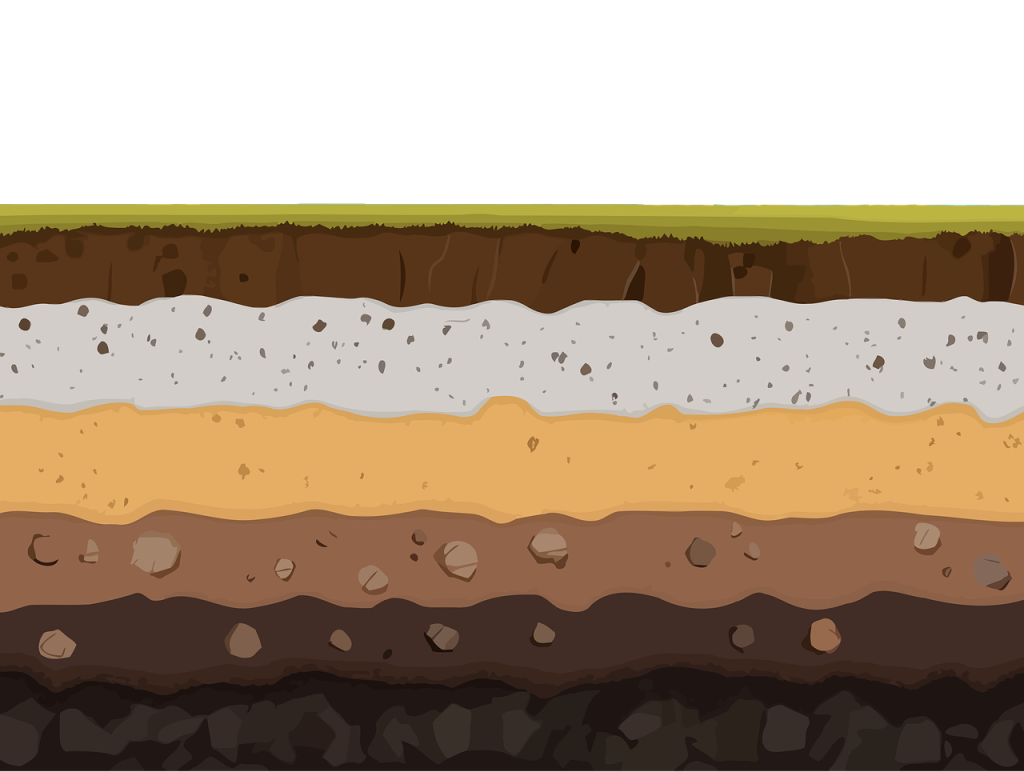
Understanding the importance of organic topsoil is pivotal for any gardener aiming for success. Topsoil is the outermost layer of soil, typically containing the highest concentration of organic matter and nutrients vital for plant life. The attributes of organic topsoil can make a significant difference in the growth rate, resilience, and produce quality of your plants. Unlike conventional soil, which may be laden with synthetic additives harmful to the environment, organic topsoil supports a balance between soil fertility and the ecosystem.
The importance of Organic Topsoil for Your Garden
Topsoil enriched with organic matter offers numerous benefits for gardeners:
- Improved Soil Structure: Organic topsoil enhances the soil structure, enabling better air circulation and root penetration, which is crucial for plant growth.
- Enhanced Nutrient Availability: Organic materials break down gradually, releasing nutrients over time and ensuring a steady supply for plants.
- Moisture Retention: Organic topsoil retains moisture more efficiently, reducing the need for frequent watering and maintaining optimal conditions for plant roots.
- Microbial Life: Rich in microorganisms, organic topsoil promotes a healthy soil ecosystem, essential for nutrient cycling and pest control.
- Environmental Benefits: Using organic soil reduces environmental toxins, supporting sustainable gardening practices and protecting local ecosystems.
When selecting topsoil for your garden, it’s essential to consider its texture—loamy, sandy, or clay—and the types of ingredients mixed in. A balanced blend of coarse and fine materials helps create air pockets for drainage and root growth. In 2025, many gardening experts agree that organic practices show a marked increase in produce quality, affirming the importance of conscious choices in soil management.
Key Characteristics of High-Quality Organic Topsoil
Not all organic topsoil is created equal; recognizing what constitutes high-quality soil can make all the difference. Various characteristics define organic topsoil’s quality, each playing a role in how well it supports plant life. Here are key features to consider:
| Characteristic | Description |
|---|---|
| Texture | High-quality organic topsoil should have a balanced mix of sand, silt, and clay, contributing to overall validity. |
| Nutrient Content | Rich in essential nutrients, organic topsoil has ample macronutrients such as nitrogen, phosphorus, and potassium. |
| pH Level | A pH of 6.0-7.0 is ideal for most crops, making it essential to test and amend soil as needed. |
| Organic Matter | Topsoil should contain a significant amount of organic matter like compost, which enriches the soil. |
| Absence of Contaminants | Quality topsoil should be free from pollutants, pesticide residues, and any harmful chemicals. |
By understanding these characteristics, you can better evaluate the options available for your garden. Avoiding overly compacted, waterlogged, or excessively dry soil is key to ensuring your plants thrive. Consulting resources and experts can further guide your choices, facilitating the journey towards a flourishing garden.
Types of Organic Topsoil Available in the Market
Exploring the various types of organic topsoil available can help you identify the best choice for your garden’s unique needs. Typically, organic topsoils fall into several categories based on their composition and intended use. Understanding these types ensures that you select a soil that aligns with your gardening goals:
- General Purpose Organic Topsoil: Great for most gardening applications, this soil contains a blend of compost, aged bark, and essential nutrients.
- Vegetable Garden Mix: Specifically formulated for growing vegetables, featuring amendments like composted manure to enhance nutrients and moisture retention.
- Raised Bed Soil: Designed for raised gardening beds, offering exceptional drainage and aeration properties.
- Seed Starting Mix: Fine-textured and lightweight, this type is ideal for germinating seeds, promoting quick growth.
- Garden Soil with Amendments: Includes additional nutrients and organic matter to cater to specific plant needs, such as mycorrhizae for enhanced growth.
In 2025, as gardening moves towards more organic practices, several brand like Forestry Inc. are at the forefront, offering tailored solutions to meet diverse gardening needs. Each type has its advantages, so it is essential to choose according to your specific gardening goals and local climate.