The evolution of automotive technology has brought forth improvements in safety and performance through the integration of advanced driver-assistance systems (ADAS). At the heart of these innovations lies a critical component: windshield sensors. These sensors have become indispensable in modern vehicles, ensuring that various safety features operate effectively to provide a safer driving experience. Understanding their significance, functionality, and the importance of recalibration is essential for any vehicle owner in today’s digital age.
The Role of Windshield Sensor Calibration in Modern Vehicles
Windshield sensors perform various crucial tasks associated with advanced driver-assistance systems (ADAS) in contemporary automobiles. They are often integrated behind or within the vehicle’s windshield, utilizing sophisticated technology such as cameras and radar to collect real-time data about the vehicle’s environment. These systems are designed to improve driving safety by offering features like lane-keeping assistance, collision avoidance, and adaptive cruise control. However, the effectiveness of these systems heavily relies on precise sensor calibration.
Calibration refers to the process of ensuring that these sensors are correctly aligned with the vehicle’s systems. When a vehicle’s windshield is replaced or removed, it is critical to recalibrate the sensors to restore their functionality. A misaligned sensor can lead to incorrect readings, which, in turn, can compromise the effectiveness of safety features. For instance, a lane departure warning system may fail to alert the driver if the sensor is misaligned, leading to dangerous situations on the road.
- Accuracy: Proper calibration ensures that safety features function at their intended performance levels.
- Efficiency: Aligned sensors reduce the chances of false alerts, ensuring a smoother driving experience.
- Safety: Accurate calibration is vital for features like automatic emergency braking, which rely on precise sensor readings.
In short, without proper calibration, the safety systems that drivers depend on may not perform reliably, rendering them ineffectual and potentially putting lives at risk.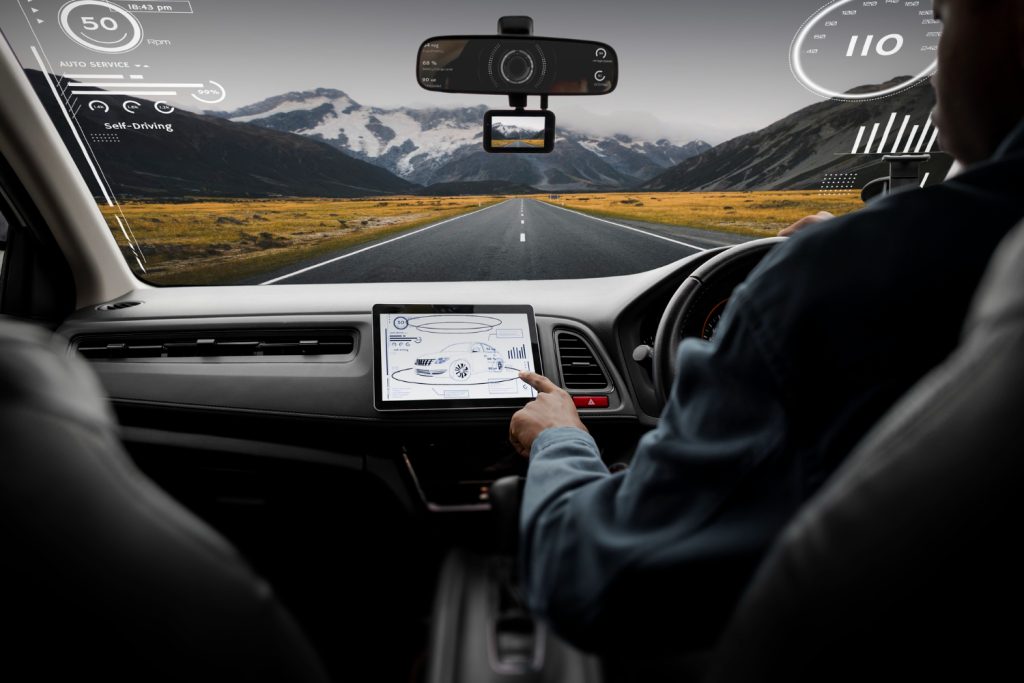
Importance of Windshield Calibration for ADAS Features
The intrinsic relationship between windshield sensors and ADAS features cannot be overstated. These systems have become the backbone of modern vehicular safety, where every millisecond counts in avoiding accidents. For instance, sensors facilitate a vehicle’s adaptive cruise control, which maintains a safe following distance based on the speed of surrounding traffic.
Moreover, accurate calibration is crucial for features such as:
- Lane-Keeping Assistance: This feature works effectively when sensors can precisely track road markings.
- Automatic Emergency Braking: The timely response of this system relies on accurate distance readings from the sensors.
- Blind-spot Monitoring: Properly calibrated sensors help prevent accidents by alerting drivers of hidden dangers in their blind spots.
These features are not merely conveniences; they are essential safety mechanisms that have saved countless lives. Thus, maintaining their effectiveness through regular recalibration is a vital responsibility for vehicle owners.
How Windshield Sensors Work with Safety Systems
Windshield sensors collect various data points crucial for the effective functioning of safety systems. These sensors utilize advanced technologies, including cameras and radar, to monitor road conditions, traffic movement, and potential obstacles. Understanding the function of these sensors helps in appreciating why their calibration is vital.
These systems perform tasks such as:
- Monitoring Road Conditions: Cameras positioned on or near the windshield detect lane markings and road signs.
- Collision Detection: Radar technology helps in identifying other vehicles and obstacles in real-time.
- Driver Assistance: Sensors analyze driver behavior and road conditions to offer assistance when necessary.
By leveraging this data, windshield sensors ensure that various safety features respond accurately to real-world conditions, thereby preventing accidents and enhancing the overall driving experience.
Maintaining Sensor Performance
To ensure that windshield sensors remain functional and reliable, vehicle owners must take proactive measures. Maintenance extends beyond mere calibration; it involves regular checks and attention to the physical condition of the windshield and sensors.
Simple yet effective methods to maintain sensor performance include:
- Regular Inspections: Schedule inspections every few months to check for signs of wear and tear.
- Cleaning: Keeping the windshield free from dirt, ice, and other obstructions ensures the sensors function optimally.
- Prompt Repairs: Address any chips or cracks near the sensors immediately to avoid interference.
By adopting these practices, vehicle owners can help maintain the optimal condition of windshield sensors, thereby extending their lifespan and ensuring continuous safety feature functionality.
Organizations such as those using advanced technologies from major providers like Adrian Auto Glass can offer calibration services that meet or exceed manufacturer specifications.